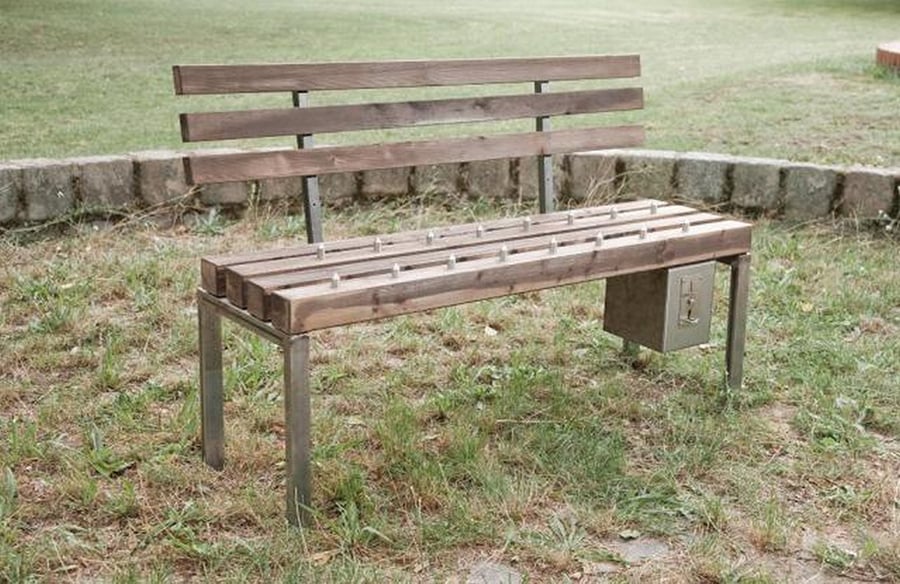
Pay and Sit Benches in Shandong, China – Examples of Hostile Architecture around the World
In the province of Shandong, China, a unique and innovative approach to urban seating has emerged—Pay and Sit benches. These distinctive benches not only provide individuals with a place to rest but also introduce a transactional element that raises questions about the dynamics between public spaces, commerce, and urban design. This article explores the intriguing characteristics of Pay and Sit benches, delves into the statistical insights surrounding their implementation, and analyzes the architectural considerations shaping this unconventional seating solution.
Transactional Seating: Unveiling the Concept
Pay and Sit benches represent a departure from traditional public seating norms. In Shandong, these benches are equipped with a payment mechanism that allows individuals to pay a nominal fee for the privilege of using the seat. This innovative concept prompts a closer examination of its impact on public spaces and the architectural decisions influencing its integration.
The Fusion of Commerce and Public Spaces
The introduction of transactional elements to public seating blurs the lines between commerce and communal spaces. Pay and Sit benches signify a departure from the conventional notion of free, open-access seating, introducing a model where comfort comes at a small cost.
Architectural Considerations: Balancing Commerce and Public Accessibility
Architects in Shandong navigate the delicate balance between fostering commerce and ensuring public spaces remain accessible and inclusive. The implementation of Pay and Sit benches involves nuanced architectural considerations to harmonize these seemingly opposing aspects.
Ergonomics and Comfort
One key consideration in the architectural design of Pay and Sit benches is ensuring comfort for users. The benches are ergonomically designed to provide a pleasant seating experience, encouraging individuals to opt for the transactional seating option over free alternatives.
Integration with Urban Aesthetics
Architects strive to integrate Pay and Sit benches seamlessly into the urban fabric. The design of these benches considers not only their functional aspects but also how they contribute to the overall aesthetics of the surrounding environment, enhancing the visual appeal of public spaces.
Statistical Insights: Evaluating the Impact
Statistical data offers valuable insights into the impact of Pay and Sit benches on urban dynamics, shedding light on user preferences, revenue generation, and the overall success of this innovative seating model.
User Adoption Rates
Cities implementing Pay and Sit benches report varying user adoption rates. Statistical analysis shows a correlation between the location of the benches, the local population’s preferences, and the willingness to engage in transactional seating.
Revenue Generation
One of the notable outcomes of Pay and Sit benches is the revenue they generate. Cities that have embraced this model experience a new stream of income that can be reinvested into the maintenance and improvement of public spaces.
Community Engagement: Shaping Public Perspectives
The introduction of Pay and Sit benches sparks community engagement, generating discussions about the evolving nature of public spaces and the role of commerce within these shared environments.
Public Perception
Architects actively engage with the public to gauge perceptions regarding Pay and Sit benches. Community feedback sessions contribute to ongoing discussions about the acceptability of transactional seating and its implications for the accessibility of public spaces.
Balancing Inclusivity
As discussions unfold, architects work to ensure that the introduction of Pay and Sit benches does not compromise inclusivity. The benches are strategically placed to coexist with free seating options, allowing individuals from various socio-economic backgrounds to access public spaces comfortably.
Designing for Adaptability: Exploring User-Centric Solutions
In response to community feedback and evolving user needs, architects explore user-centric design solutions that enhance the adaptability of Pay and Sit benches to different contexts and preferences.
Technological Integration
Architects experiment with the integration of technology into Pay and Sit benches. This includes features such as mobile payment options, smart sensors for occupancy monitoring, and user feedback systems to continuously improve the user experience.
Customization for Varied Environments
Recognizing the diverse nature of public spaces, architects explore customization options for Pay and Sit benches. From materials that withstand different weather conditions to modular designs that adapt to various spatial constraints, customization enhances the versatility of this seating model.
Future Trajectories in Urban Seating
As Shandong continues to innovate, architects anticipate future trajectories in urban seating, exploring new possibilities for creating environments that balance transactional elements with the principles of inclusivity and accessibility.
Smart Seating Solutions
The integration of smart technologies into urban seating represents a potential future trajectory. Architects explore the incorporation of AI-driven systems that analyze user behavior, optimize seating arrangements, and contribute to a more responsive and user-friendly urban environment.
Sustainable Business Models
Future trajectories also explore the development of sustainable business models around transactional seating. Architects collaborate with local businesses, city authorities, and community stakeholders to establish models that benefit both the public and private sectors.
Conclusion: Redefining Urban Dynamics
Pay and Sit benches in Shandong exemplify an innovative approach to urban dynamics, challenging traditional notions of public spaces and seating arrangements. As the city evolves, architects play a pivotal role in shaping the narrative of how commerce and communal spaces can coexist harmoniously, contributing to vibrant and economically sustainable urban environments.
The lessons learned from Shandong’s exploration of Pay and Sit benches become a source of inspiration for architects globally. Through thoughtful design choices, community engagement, and a commitment to adaptability, architects contribute to the evolution of urban seating models, fostering cities that are not only functional but also responsive to the changing needs and expectations of their diverse populations.