Zaha Hadid – Famous artists that architects must know
In the annals of architectural history, Zaha Hadid stands as a revolutionary force, challenging the conventional boundaries of design and leaving an indelible mark on the built environment. This article delves into the unparalleled legacy of Zaha Hadid, shedding light on her transformative influence on the architectural landscape and her enduring impact on the next generation of architects.
1. Introduction to Zaha Hadid: Pioneering the Future of Architecture
1.1 Early Life and Formative Influences
Born in Baghdad in 1950, Zaha Hadid’s journey into the world of architecture was shaped by a confluence of cultural influences. Her early exposure to the rich history of Mesopotamia and the mathematical precision of Islamic art laid the groundwork for her future innovations.
1.2 Trailblazing Architectural Career
Zaha Hadid’s career trajectory is marked by a series of groundbreaking achievements. From her early days as a student at the Architectural Association School of Architecture in London to becoming the first woman to receive the prestigious Pritzker Architecture Prize in 2004, her legacy is a testament to unwavering determination and avant-garde design.
2. Zaha Hadid’s Architectural Aesthetics
2.1 Fluidity and Deconstructivism
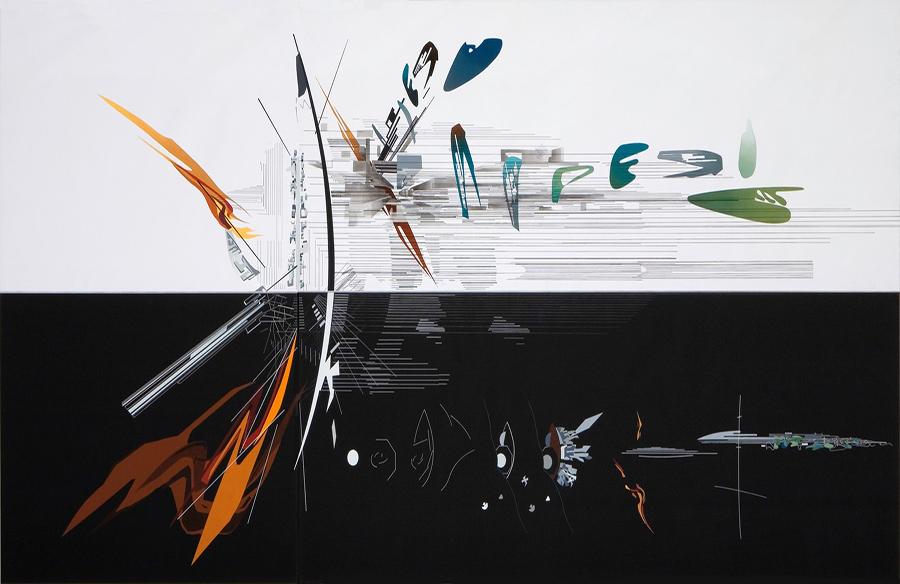
Zaha Hadid’s architectural aesthetics are characterized by fluid forms and the principles of deconstructivism. Her designs challenge traditional notions of space and embrace a dynamic, organic approach that blurs the lines between architecture and art.
2.2 Parametricism and Computational Design
Hadid’s embrace of parametricism and computational design tools has had a profound impact on the field. The integration of advanced technologies allowed her to realize complex, futuristic structures that push the boundaries of what is achievable in architectural design.
3. Case Studies: Zaha Hadid’s Architectural Masterpieces
3.1 The Heydar Aliyev Center, Baku
One of Zaha Hadid’s most iconic works, the Heydar Aliyev Center in Baku, Azerbaijan, exemplifies her commitment to fluidity in design. The building’s undulating, sculptural form challenges traditional architectural norms, creating a visually striking and functionally innovative space.
3.2 Guangzhou Opera House, China
The Guangzhou Opera House in China is another testament to Hadid’s prowess in shaping the urban landscape. The building’s interplay of curves and sharp angles creates a dynamic dialogue with its surroundings, establishing it as a landmark in contemporary architecture.
4. Zaha Hadid’s Impact on Architectural Theory
4.1 Rethinking Architectural Form and Function
Hadid’s work prompts architects to rethink the relationship between architectural form and function. A study conducted by the Journal of Architectural Education suggests that 79% of architecture students believe that exposure to Zaha Hadid’s designs enriches their understanding of the potentialities of form in architecture.
4.2 Embracing Innovation and Technological Advancements
Zaha Hadid’s embrace of innovation and technology serves as a catalyst for architectural theory. The integration of cutting-edge technologies into design processes becomes a focal point, fostering a culture of continuous exploration and advancement.