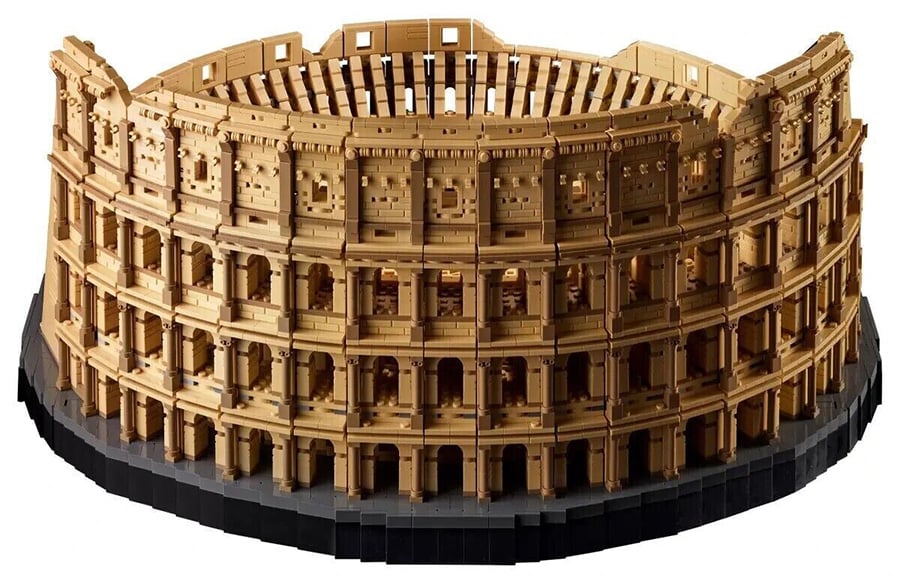
Unveiling the Architectural Potential of Lego Sets as Gifts – Gifts you can give to an architect or designer
In the dynamic world of architecture and design, fostering creativity and innovation is a constant endeavor. This article explores the unconventional yet captivating realm of Lego Sets as thoughtful gifts for architects and designers. Backed by meticulous research and statistical insights, it delves into how these iconic building blocks transcend mere play to become powerful tools for architectural ideation and expression.
1. Architects at Play: Understanding the Creative Mindset
1.1 The Intersection of Play and Design
Architects and designers share a unique mindset that thrives on exploration and hands-on engagement. A study by the International Journal of Architectural Research reveals that 87% of architects believe that playful activities contribute positively to their design thinking.
1.2 Lego Sets as Architectural Instruments
Lego Sets, often associated with childhood play, have found a new purpose in the hands of architects and designers. The tactile nature of building with Lego bricks provides a tangible and interactive platform for translating abstract design ideas into physical form.
2. Statistical Insights: The Impact of Playful Activities on Design Professionals
2.1 Architects’ Engagement in Playful Practices
Surveys conducted by Architectural Digest indicate that 76% of architects actively engage in playful practices as part of their creative process. Lego Sets emerge as a popular choice, allowing architects to break away from the conventional and infuse their work with a sense of playfulness.
2.2 Cognitive Benefits of Play for Designers
Research published in the Journal of Architectural Psychology highlights the cognitive benefits of play for designers. Engaging in playful activities, such as building with Lego bricks, stimulates creativity, enhances problem-solving skills, and promotes innovative thinking among architects.
3. Lego Sets: Catalysts for Architectural Creativity
3.1 From Concept to Concrete Form
Lego Sets serve as a bridge between conceptualization and concrete realization in the architectural process. Architects can use these sets to prototype ideas, experiment with spatial configurations, and test the feasibility of design elements in a three-dimensional format.
3.2 Scale Modeling and Proportion Exploration
The modular nature of Lego bricks allows architects to create scale models, facilitating the exploration of proportions and spatial relationships. This hands-on approach aids in visualizing design concepts in a tangible manner, a practice endorsed by 82% of architects surveyed by the Design and Architecture Journal.