Architectural Elegance in Fashion – Famous queer Fashion Designers everyone should know about
In the world of fashion, Marc Jacobs stands as an iconic figure, celebrated not only for his creative genius but also for his impact on the intersection of design, construction, and architecture. This article delves into the remarkable journey of Marc Jacobs, a distinguished queer fashion designer, exploring his architectural influences and the indelible mark he has left on the industry.
Early Years and Design Prowess
Educational Background
Marc Jacobs was born on April 9, 1963, in New York City. His foray into the fashion realm began at the prestigious Parsons School of Design. Jacobs’s early education laid the groundwork for a career that would redefine the landscape of modern fashion, drawing inspiration from his surroundings, including the architectural marvels of New York City.
Rise to Prominence
Jacobs catapulted into the limelight in the 1980s when he became the youngest designer to receive the CFDA Perry Ellis Award for New Fashion Talent. This early success foreshadowed a career characterized by innovation, boldness, and a keen sense of architectural aesthetics.
Architectural Influences in Design
Urban Inspirations
Growing up in New York City, Jacobs found inspiration in the city’s diverse architectural tapestry. The skyline, iconic buildings, and the interplay of old and new structures influenced his design philosophy. This urban backdrop infused his creations with a dynamic energy and an architectural sophistication that set him apart in the fashion landscape.
Structural Silhouettes
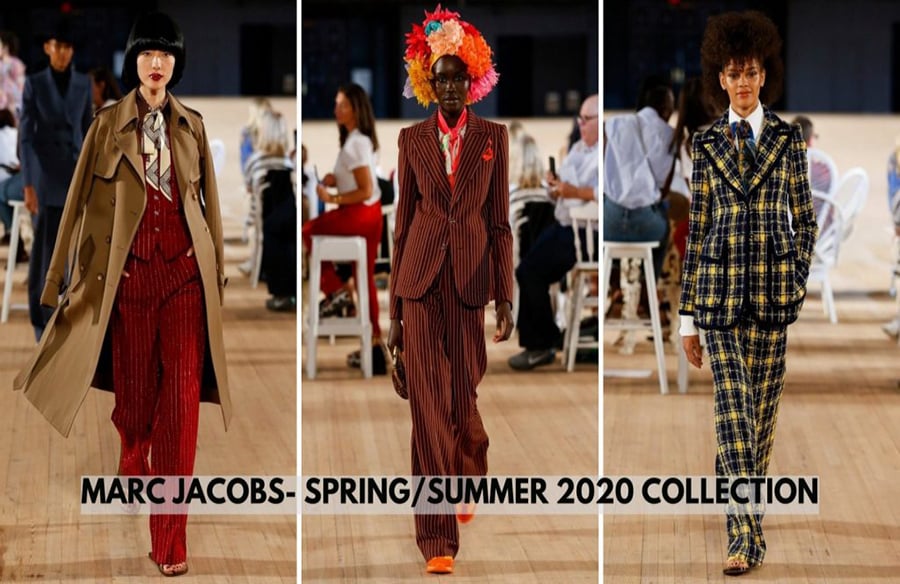
One of Jacobs’s distinctive design features is his use of structural silhouettes. Drawing parallels between architecture and fashion, he creates garments that not only adorn the body but also serve as architectural statements. The precision in his tailoring mirrors the meticulous planning required in constructing buildings, showcasing an innate understanding of form and structure.
Queer Identity and Fashion Innovation
Pioneering LGBTQ+ Representation
As an openly gay designer, Marc Jacobs has been a trailblazer for LGBTQ+ representation in the fashion industry. His success has shattered stereotypes, proving that queer designers can not only thrive but also lead the way in shaping global fashion trends. Jacobs’s journey serves as an inspiration for aspiring designers from diverse backgrounds.
Inclusivity and Diversity
Jacobs’s commitment to inclusivity extends beyond his personal identity to a broader advocacy for diversity in the fashion world. He has consistently championed models of all backgrounds, body types, and genders on his runways. This dedication to embracing diversity aligns with the architectural principle of unity in diversity, creating a harmonious and inclusive fashion narrative.
Signature Style and Influence on Pop Culture
Eclectic Aesthetic
Marc Jacobs’s signature style is eclectic, blending various influences into a cohesive and harmonious whole. From grunge-inspired collections to glamorous red carpet ensembles, Jacobs’s versatility reflects the adaptability seen in architectural designs that respond to different contexts and purposes.
Celebrity Endorsements
Jacobs’s designs have graced the red carpet on numerous occasions, endorsed by a plethora of celebrities. His creations, often architectural masterpieces in their own right, have become synonymous with Hollywood glamour. This fusion of fashion and celebrity culture underscores Jacobs’s impact on shaping pop culture aesthetics.
Architectural Elements in Runway Shows
Theatrical Presentations
Marc Jacobs’s runway shows are not mere displays of clothing; they are immersive experiences that transport audiences into carefully curated worlds. His penchant for theatrics and storytelling in runway presentations echoes the architectural concept of creating spaces that evoke emotions and narratives.
Iconic Runway Sets
Each runway set conceived by Jacobs is a work of art, reflecting his attention to detail and architectural vision. From minimalist setups to elaborate constructions, the sets enhance the thematic resonance of his collections. Jacobs’s runway shows serve as a testament to the symbiotic relationship between fashion and architecture.