Plastic House, Dublin – Architectural projects made out of recycled materials
In the heart of Dublin, Ireland, the Plastic House stands as a groundbreaking example of sustainable architecture, pushing the boundaries of design and construction by utilizing recycled plastic materials. This article delves into the innovative aspects of the Plastic House, exploring its distinctive features, construction methodologies, and the broader implications it holds for the integration of recycled materials in the architectural landscape.
Architectural Design: A Fusion of Innovation and Sustainability
The Plastic House in Dublin represents a fusion of innovation and sustainability in its architectural design. Architects embarked on a mission to create a dwelling that not only served its functional purpose but also addressed the environmental challenges associated with plastic waste. The design concept revolves around utilizing recycled plastic materials, showcasing the potential to transform a perceived environmental issue into a solution for sustainable living.
Innovative Use of Recycled Plastic
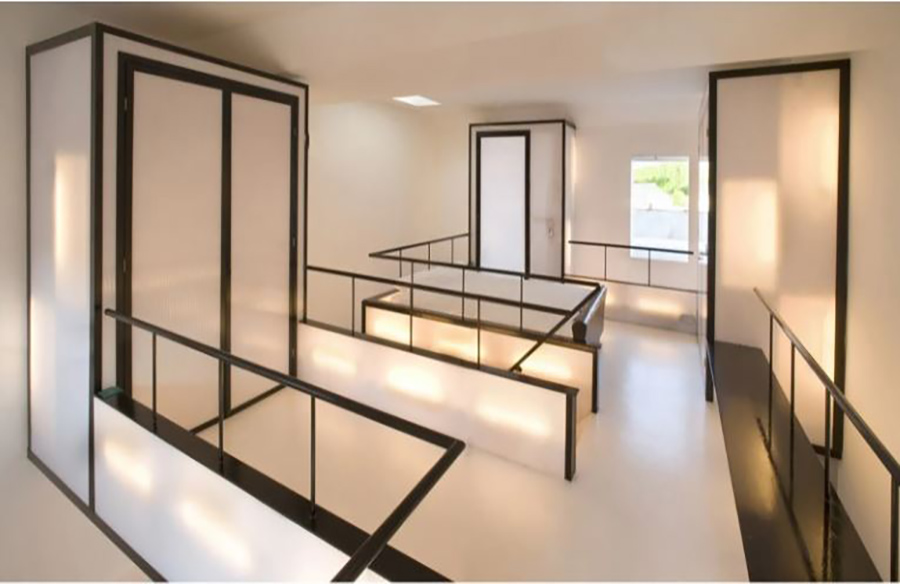
At the core of the Plastic House’s architectural brilliance lies a commitment to environmental responsibility through the innovative use of recycled plastic. Discarded plastic bottles, containers, and other plastic waste take center stage in the construction, demonstrating the transformative potential of materials that are often considered detrimental to the environment. The architects’ choice of recycled plastic not only contributes to sustainability but also introduces a contemporary and unconventional aesthetic to the architectural landscape.
Construction: Turning Plastic Waste into Architectural Innovation
The construction of the Plastic House is a testament to turning plastic waste into architectural innovation. Expert craftsmen and cutting-edge technologies collaborated to transform recycled plastic materials into modular building components, challenging traditional norms. The construction process prioritized efficiency, durability, and a reduced environmental impact, setting new standards in sustainable urban development.
Challenges and Solutions
Building a house primarily from recycled plastic presented unique challenges, and the architects of the Plastic House navigated them with ingenuity. From addressing structural concerns to ensuring insulation properties, rigorous testing and adherence to international sustainability standards underscore the commitment to creating a structure that stands as a paragon of recycled plastic architecture.
Sustainable Features: Redefining the Plastic Paradigm
The Plastic House is not just a dwelling; it’s a redefinition of the plastic paradigm, boasting sustainable features meticulously integrated to minimize its environmental footprint. From energy-efficient systems to innovative uses of recycled plastic in insulation, every aspect of the Plastic House is designed to offer a more eco-friendly and sustainable living experience.
Environmental Impact
Quantifying the environmental impact of the Plastic House reveals compelling statistics. The use of recycled plastic significantly reduces the demand for new resources, leading to a substantial decrease in carbon emissions associated with traditional construction. The incorporation of sustainable features further solidifies the project’s commitment to a greener and more sustainable urban future.
Community Impact: Shifting Perspectives on Plastic
Beyond its architectural significance, the Plastic House plays a crucial role in shifting perspectives on plastic within the Dublin community. The house serves as an educational hub, hosting programs, workshops, and community engagement initiatives that aim to raise awareness about plastic waste and the potential for its repurposing in sustainable architecture. The architects have not only created a dwelling but a catalyst for positive change, underscoring the transformative power of sustainable architecture.
Empowering the Community
The Plastic House stands as a living testament to the transformative power of architecture in fostering community development. By engaging with the local community through various initiatives, the architects have empowered individuals and families, creating a positive ripple effect that extends beyond the confines of the house.
Future Implications: A Plastic Revolution in Architecture
The success of the Plastic House holds implications beyond its immediate context, serving as a catalyst for a plastic revolution in architecture globally. Its impact challenges architects and urban planners to reconsider the potential of recycled plastic in creating sustainable structures and reimagining the way we approach plastic waste.
Influence on Architectural Practices
The influence of the Plastic House extends far beyond Dublin. Architects and developers worldwide are taking note of its success, prompting a shift towards more sustainable practices in architecture. The integration of recycled plastic in architectural projects is becoming a prevailing trend, marking a transformative phase in the industry’s approach to sustainable living.
Conclusion: Plastic House – A Trailblazer in Sustainable Architecture
In conclusion, the Plastic House in Dublin is not merely a structure; it’s a trailblazer in sustainable architecture that resonates with both innovation and environmental conscientiousness. From its groundbreaking use of recycled plastic to its impact on community and environmental well-being, every facet of this project reflects a commitment to creating structures that not only meet the needs of modern living but also contribute positively to the environment and society. As Dublin embraces the imperative of sustainable living, the Plastic House stands as a beacon of inspiration, showcasing the transformative potential of architecture in fostering a greener and more socially conscious urban future.