Unveiling the Architectural Marvels of Wuhan – Most Populated Cities in the World
Nestled along the banks of the Yangtze River, Wuhan, China, emerges as a metropolis that seamlessly blends rich historical traditions with cutting-edge modernity. This article unravels the architectural landscape of Wuhan, delving into its population dynamics, iconic structures, sustainable initiatives, and the city’s commitment to shaping a harmonious urban environment.
Population Dynamics of Wuhan
Harmony in Diversity
Wuhan stands as a testament to the harmonious coexistence of tradition and progress within a bustling urban setting. As an architectural authority, the city seeks to accommodate its diverse population while maintaining a delicate balance between modernization and cultural preservation.
Architectural Diversity in Wuhan
Icons Along the Yangtze
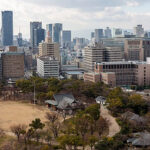
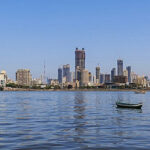
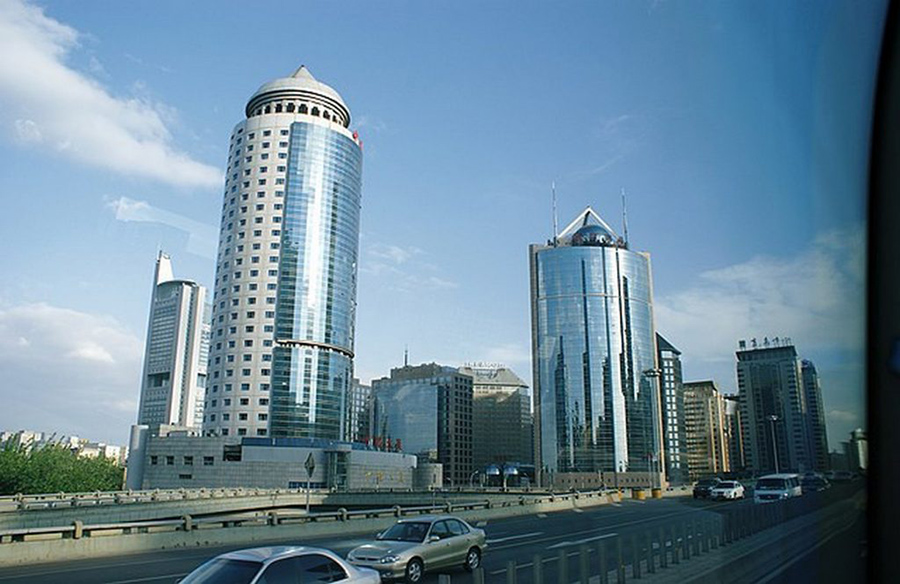
Wuhan’s skyline is adorned with architectural wonders that reflect its cultural and economic vibrancy. From the historic Yellow Crane Tower, echoing tales of ancient wisdom, to the contemporary elegance of the Wuhan Greenland Center, the city’s architecture tells a compelling story of evolution and resilience.
Sustainable Architecture Initiatives
Greening the Megacity
In line with global sustainability trends, Wuhan has embraced eco-friendly architecture with projects like the Optics Valley Center, integrating green spaces and energy-efficient designs. The city’s commitment to sustainable initiatives illustrates its proactive stance towards creating a greener urban environment.
Urban Planning and Zoning Strategies
Preserving Heritage Amidst Urbanization
Wuhan’s urban planners navigate the challenge of rapid urbanization with finesse, exemplified by initiatives like the East Lake Greenway and the Donghu New Technology Development Zone. These projects underscore the city’s commitment to preserving its historical legacy amidst the relentless march of modernity.
Resilience in the Face of Urban Challenges
Transformative Solutions for a Dynamic City
Wuhan’s architects demonstrate resilience by offering innovative solutions to urban challenges. Projects like the Yangsigang Yangtze River Bridge and the Wuhan Metro Expansion showcase the city’s commitment to creating efficient, sustainable, and resilient urban spaces.
Technological Integration in Wuhan’s Architecture
Skyscrapers and Smart Living
Wuhan integrates advanced technology into its architectural landscape, exemplified by structures like the Wuhan Center. This architectural marvel showcases the city’s commitment to smart living, offering residents an environment where technology enhances the quality of life.
Architectural Icons of Wuhan
Yellow Crane Tower
A cultural symbol, the Yellow Crane Tower is not only an architectural marvel but also a testament to Wuhan’s rich historical tapestry, offering panoramic views of the city.
Wuhan Greenland Center
A modern icon, the Wuhan Greenland Center is a skyscraper that stands as a symbol of the city’s economic progress and architectural innovation.
Wuhan’s Future Architectural Landscape
As Wuhan propels into the future, its architectural landscape is poised for transformative growth. The city envisions a future where sustainable living, technological integration, and cultural preservation converge to create an urban environment that reflects Wuhan’s spirit of innovation.
Conclusion
In conclusion, Wuhan stands as a city that embraces both its past and its future, creating an architectural narrative that resonates with diversity, resilience, and progress. From the historic charm of the Yellow Crane Tower to the modernity of the Wuhan Greenland Center, the city’s architectural landscape epitomizes a harmonious coexistence of tradition and innovation. Wuhan’s commitment to sustainable practices and technological integration positions it as a beacon of architectural prowess in China and a global inspiration for cities seeking a delicate balance between the old and the new.