Vegan House, Ho Chi Minh City, Vietnam – Architectural projects made out of recycled materials
In the bustling urban landscape of Ho Chi Minh City, the Vegan House stands as a pioneering example of sustainable architecture. This article delves into the nuances of the Vegan House, exploring its innovative design, construction methodologies, and the noteworthy role it plays in advancing the use of recycled materials in contemporary architectural practices.
Architectural Design: Symbiosis of Nature and Urbanity
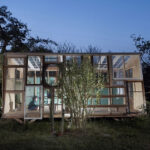
The Vegan House in Ho Chi Minh City is a testament to the symbiotic relationship between nature and urban living. The architects have ingeniously integrated sustainability into their design, creating a residence that not only provides a comfortable living space but also promotes harmony with the environment.
Innovative Use of Recycled Materials
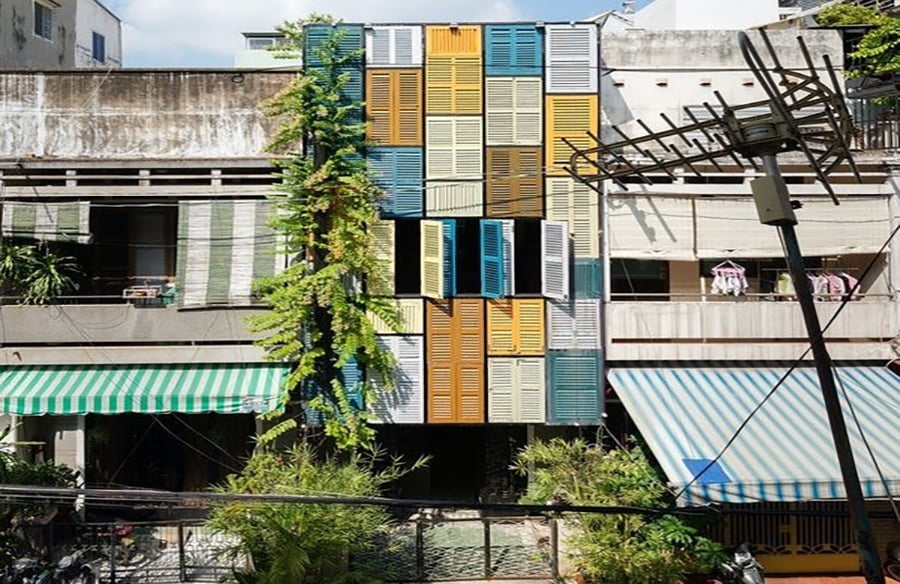
At the heart of the Vegan House lies a commitment to environmental responsibility through the innovative use of recycled materials. Salvaged wood, recycled metal, and repurposed glass are integral components of the construction, showcasing the adaptability and aesthetic potential of materials given a new life.
Construction: Blending Tradition with Sustainable Practices
The construction of the Vegan House seamlessly blends traditional craftsmanship with modern sustainable practices. Skilled artisans employ time-honored techniques, emphasizing cultural continuity, while cutting-edge technologies are embraced to maximize the project’s environmental impact.
Challenges and Solutions
Building with recycled materials introduces unique challenges, but the architects of the Vegan House navigated them adeptly. From addressing structural concerns to ensuring durability, rigorous testing and adherence to international sustainability standards underscore the commitment to creating a structure that stands as a model for recycled architecture.
Sustainable Features: A Haven of Green Living
The Vegan House is not just a residence; it’s a haven of green living. From energy-efficient lighting to rainwater harvesting systems, every feature is meticulously designed to reduce the ecological footprint of the project and contribute to a more sustainable lifestyle.
Environmental Impact
Quantifying the environmental impact of the Vegan House reveals compelling statistics. The use of recycled materials significantly reduces the demand for virgin resources, leading to a substantial decrease in carbon emissions associated with traditional construction. The incorporation of sustainable features further solidifies the project’s commitment to a greener and more sustainable future.
Community Impact: Fostering Environmental Awareness
Beyond its architectural significance, the Vegan House plays a pivotal role in influencing the community it resides in. Educational programs, workshops, and community engagement initiatives hosted within the space showcase a holistic approach to community development. The architects have not only created a building but a catalyst for positive change.
Empowering the Community
The Vegan House stands as a living testament to the transformative power of architecture in fostering community development. By engaging with the local community through various initiatives, the architects have empowered individuals and families, creating a positive ripple effect that extends beyond the confines of the building.
Future Implications: Setting the Stage for Sustainable Urban Living
The success of the Vegan House holds implications beyond its immediate context, serving as an inspiration for future sustainable architectural endeavors in urban settings. Its impact challenges architects and urban planners to prioritize sustainability in their designs for a more eco-conscious urban future.
Influence on Architectural Practices
The influence of the Vegan House extends far beyond Ho Chi Minh City. Architects and developers globally are taking note of its success, prompting a shift towards more sustainable practices. The integration of recycled materials in architectural projects is becoming a prevailing trend, marking a paradigm shift in the industry’s approach to sustainable urban living.
Conclusion: A Green Beacon in the Urban Landscape
In conclusion, the Vegan House in Ho Chi Minh City is not merely a building; it’s a green beacon that stands at the intersection of nature and urbanity. From its innovative design to its impactful community initiatives, every facet of this project reflects a commitment to creating spaces that not only serve a physical purpose but also contribute positively to the environment and society. As the world grapples with the imperative of sustainable urban living, the Vegan House stands tall, showcasing the transformative potential of architecture in fostering a greener and more socially conscious urban future.