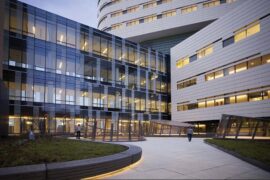
Manav-Sadhna, Ahmedabad – Architectural projects made out of recycled materials
In the vibrant city of Ahmedabad, the Manav-Sadhna project emerges as a beacon of sustainable architecture, showcasing a harmonious blend of innovation, compassion, and environmental consciousness. This article delves into the intricate details of Manav-Sadhna, exploring its architectural design, construction methodologies, and the profound impact it has on both the community and the realm of recycled materials in construction.
Architectural Design: A Symphony of Sustainability and Social Impact
The Manav-Sadhna project stands out not only for its architectural finesse but also for the profound social impact it delivers. The architects behind this endeavor have seamlessly integrated sustainability into their design ethos, creating a space that not only serves its physical purpose but also nurtures the community it resides in.
Innovative Use of Recycled Materials
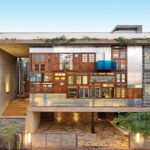
At the core of Manav-Sadhna lies a commitment to sustainability, and this commitment is exemplified through the innovative use of recycled materials. From salvaged wood to repurposed metal, every element of the structure reflects a conscious effort to minimize the environmental footprint of the project.
Construction: Bridging Tradition with Modernity
The construction of Manav-Sadhna serves as a testament to the seamless integration of traditional building techniques with modern sustainable practices. Skilled craftsmen employed time-honored methods, emphasizing the importance of cultural continuity while incorporating cutting-edge technologies to amplify the project’s environmental impact.
Challenges and Solutions
Constructing a space that prioritizes recycled materials presents unique challenges. The architects of Manav-Sadhna navigated these challenges with ingenuity, addressing structural concerns while maintaining a commitment to environmental responsibility. Rigorous testing and adherence to international sustainability standards underscore the dedication to creating a space that stands as a model for recycled architecture.
Sustainable Features: Nurturing the Environment and the Community
Manav-Sadhna is not merely a physical structure; it’s a sustainable ecosystem that nurtures both the environment and the community it serves. From rainwater harvesting systems to solar panels, every feature is meticulously designed to reduce the carbon footprint of the project and contribute to the well-being of its inhabitants.
Environmental Impact
Quantifying the environmental impact of Manav-Sadhna reveals compelling statistics. The use of recycled materials significantly reduces the demand for new resources, leading to a considerable decrease in carbon emissions associated with traditional construction. The incorporation of sustainable features further solidifies the project’s commitment to a greener and more sustainable future.
Community Impact: Empowering Lives Through Architecture
Beyond its architectural significance, Manav-Sadhna plays a pivotal role in uplifting the community it resides in. Educational programs, vocational training, and healthcare initiatives hosted within the space showcase a holistic approach to community development. The architects have created not just a building but a catalyst for positive change.
Empowering Lives Through Architecture
Manav-Sadhna stands as a living testament to the transformative power of architecture. The space has become a hub for education, skill development, and healthcare, empowering individuals and families within the community. The architects’ commitment to social impact through sustainable architecture sets a precedent for future projects aiming to create positive change.
Future Implications: Pioneering a Path for Sustainable Community Architecture
Manav-Sadhna’s success reverberates beyond its physical boundaries, serving as an inspiration for future sustainable community architecture. Its impact on both the environment and the lives of those it touches challenges architects and urban planners to prioritize sustainability and community development in tandem.
Influence on Architectural Practices
The influence of Manav-Sadhna extends far beyond Ahmedabad. Architects and developers globally are taking note of its success, prompting a shift towards more sustainable practices. The integration of recycled materials in community-based projects is becoming a prevailing trend, marking a paradigm shift in the industry’s approach to sustainable architecture.
Conclusion: A Sustainable Legacy
In conclusion, Manav-Sadhna in Ahmedabad stands not just as an architectural marvel but as a sustainable legacy that intertwines with the fabric of its community. From its innovative design to its impactful community initiatives, every aspect of this project reflects a commitment to creating spaces that not only serve a physical purpose but also contribute positively to the environment and society. As the world grapples with the imperative of sustainable living, Manav-Sadhna stands as a testament to the transformative potential of architecture in fostering a greener and more socially conscious future.