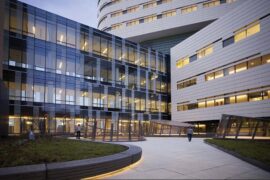
The Revival of a Heritage Building – Topics related to Sustainable Architecture
In the realm of sustainable architecture, the revival of heritage buildings stands as a testament to the intricate dance between preserving the past and embracing the future. This article embarks on a journey into the architectural resurgence of heritage buildings, exploring the symbiosis of historical preservation and sustainable design principles.
Global Heritage at Risk: The Urgent Call for Restoration
A global overview sheds light on the pressing need for the restoration of heritage buildings. UNESCO reports that many architectural gems, rich in cultural significance, face the risk of deterioration. The call for restoration is urgent, and architects play a pivotal role in revitalizing these structures while aligning with contemporary sustainable practices.
Architectural Heritage in Numbers: A Statistical Landscape
To comprehend the magnitude of the architectural heritage at stake, a statistical landscape is essential. Research indicates that over 30% of the world’s cultural heritage may be vulnerable or endangered. Heritage buildings span various architectural styles and periods, each contributing to the cultural tapestry of its region. Understanding these numbers underscores the importance of strategic revival efforts.
Adaptive Reuse: Breathing New Life into Old Walls
One of the cornerstones of heritage building revival is adaptive reuse. Architects champion the concept of repurposing these structures for modern functionalities while respecting their historical significance. Case studies reveal that adaptive reuse not only preserves the authenticity of heritage buildings but also mitigates urban sprawl by utilizing existing infrastructure.
Sustainable Materials: The Foundation of Heritage Renewal
Revitalizing heritage buildings demands a commitment to sustainable materials. Architects delve into eco-friendly options such as recycled wood, reclaimed bricks, and energy-efficient glass. Studies highlight that incorporating sustainable materials not only enhances the structural integrity of these buildings but also reduces their environmental impact, aligning with contemporary eco-conscious standards.
Retrofitting for Energy Efficiency: Modernizing the Historic
The challenge of energy efficiency in heritage buildings is met with retrofitting solutions. Architectural innovations include incorporating insulation, upgrading windows, and implementing energy-efficient HVAC systems. Research indicates that these interventions not only make heritage buildings more environmentally friendly but also contribute to substantial long-term energy savings.
Preservation through Technology: 3D Scanning and Digital Replication
Technology plays a crucial role in the preservation of heritage buildings. Architects utilize 3D scanning and digital replication techniques to capture every intricate detail of these structures. Case studies showcase how this technology aids in documentation, preservation, and even the recreation of missing elements, ensuring a faithful revival of architectural masterpieces.
Cultural and Economic Impact: Heritage Revival as Catalyst
Reviving heritage buildings transcends architectural significance; it becomes a catalyst for cultural and economic rejuvenation. Architectural projects of this nature often spur tourism, create job opportunities, and contribute to the local economy. Studies reveal that heritage revival is not just an architectural endeavor but a comprehensive strategy for fostering community pride and sustainable growth.
Community Engagement: Fostering Ownership and Awareness
Architects engaged in heritage revival prioritize community engagement. Public participation and awareness-building programs are integrated into architectural plans. Case studies underscore how involving the community fosters a sense of ownership, ensuring that heritage buildings are not just architectural relics but living spaces that resonate with the people.
Regulatory Frameworks: Balancing Preservation and Progress
Navigating the delicate balance between preservation and progress requires robust regulatory frameworks. Architects work within established guidelines to ensure that heritage revival projects adhere to conservation principles while embracing modern needs. Research emphasizes the role of regulatory frameworks in safeguarding architectural heritage for future generations.
Conclusion: Heritage Building Revival as an Architectural Legacy
In conclusion, the revival of heritage buildings stands as an architectural legacy that transcends time. Architects, as stewards of both history and sustainability, play a pivotal role in breathing new life into these structures. The journey involves a meticulous dance between preservation and innovation, ensuring that heritage buildings not only endure but thrive as vibrant contributors to our cultural landscape. The architectural resurgence of heritage buildings is not merely a reflection on the past; it is a testament to our commitment to a sustainable and culturally rich future.