Revitalizing Abandoned Mill or Industry – Topics related to Sustainable Architecture
In the realm of sustainable architecture, the revitalization of abandoned mills and industries stands as a testament to the transformative power of adaptive reuse. This article explores the multifaceted approach architects take to breathe new life into these structures, creating vibrant, sustainable spaces that honor history while embracing the future.
Global Abandonment Crisis: The Urgent Need for Adaptive Solutions
A statistical overview highlights the global abandonment crisis, with numerous mills and industrial sites left derelict. According to UNESCO, industrial heritage abandonment is a pressing issue, requiring innovative solutions to preserve architectural history while addressing the environmental challenges posed by neglected structures. Adaptive reuse emerges as a sustainable solution to repurpose these sites and mitigate the environmental impact of new construction.
Historical Significance: The Architectural Narrative of Abandoned Mills
Abandoned mills and industries often carry rich historical significance. Architects embarking on adaptive reuse projects delve into the architectural narrative of these structures. Research indicates that understanding the history of a mill or industrial site informs the design process, allowing architects to preserve key elements while introducing modern functionality and sustainability features.
Sustainable Design Principles: Crafting a Blueprint for Renewal
Sustainable design principles form the backbone of adaptive reuse projects. Architectural innovations prioritize energy efficiency, water conservation, and the use of eco-friendly materials. Studies reveal that incorporating sustainable design elements not only reduces the environmental impact of revitalized structures but also enhances long-term operational efficiency, making abandoned mills models of green architecture.
Flexible Spatial Planning: Adapting to Modern Needs
One of the key challenges in repurposing abandoned mills is adapting their spatial layout to modern needs. Architects employ flexible spatial planning to breathe new life into these structures. Architectural designs often include open floor plans, versatile workspaces, and communal areas. Research emphasizes that this flexibility caters to a range of uses, from commercial to residential, ensuring the adaptive reuse meets contemporary demands.
Adaptive Reuse Case Studies: Showcasing Architectural Ingenuity
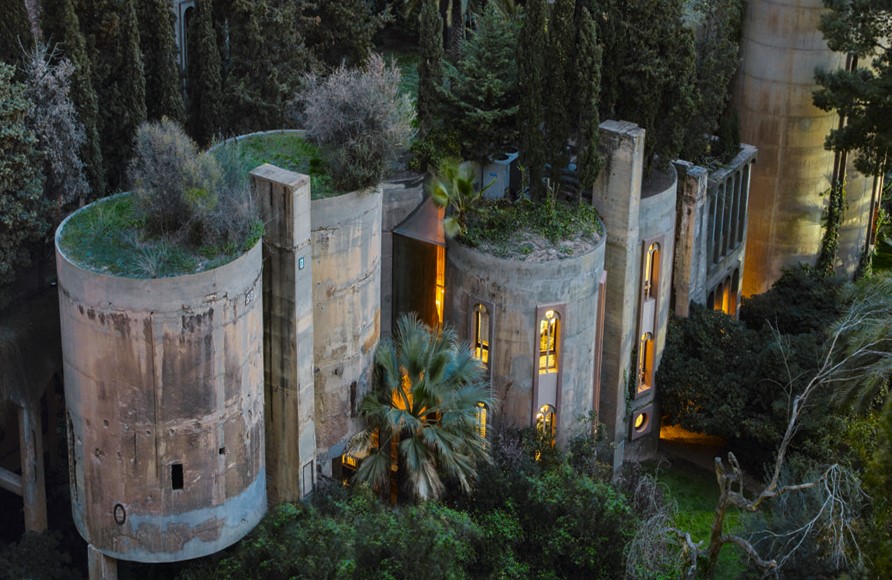
Exploring case studies of successful adaptive reuse projects provides insight into architectural ingenuity. Research highlights instances where abandoned mills have been transformed into thriving cultural centers, residential lofts, or mixed-use spaces. Case studies demonstrate the diverse possibilities of adaptive reuse, showcasing how architects can revitalize industrial heritage while contributing to urban revitalization.
Structural Integrity: Balancing Preservation and Modernization
Preserving the structural integrity of abandoned mills is a delicate balance between conservation and modernization. Architects conduct thorough structural assessments to ensure that historical elements are safeguarded while introducing necessary modifications for safety and functionality. Studies show that this approach preserves the authenticity of the site while ensuring its adaptive reuse aligns with contemporary standards.
Brownfield Redevelopment: Environmental Restoration Through Design
Abandoned industrial sites often come with environmental challenges, including soil contamination. Architects engaged in adaptive reuse navigate brownfield redevelopment, incorporating strategies for environmental restoration. Research indicates that these projects contribute to the remediation of polluted sites, turning them into sustainable, safe environments that benefit both the community and the ecosystem.
Economic Regeneration: Adaptive Reuse as Catalyst for Growth
Adaptive reuse projects extend beyond architectural renewal, acting as catalysts for economic regeneration. Architectural designs incorporate spaces for businesses, cultural events, and community gatherings. Studies highlight the economic impact of adaptive reuse, attracting investments, creating jobs, and revitalizing neighborhoods that may have suffered from the decline of the industrial era.
Community Engagement: Fostering a Sense of Place
Architects recognize the importance of community engagement in adaptive reuse projects. Architectural designs often include spaces that foster a sense of place, encouraging community participation and interaction. Research indicates that involving the local community in the design process not only preserves the cultural identity of the site but also ensures its integration into the fabric of the neighborhood.
Conclusion: Architectural Renaissance Through Adaptive Reuse
In conclusion, the revitalization of abandoned mills and industries represents an architectural renaissance through adaptive reuse. Architects, with their expertise in design, construction, and sustainable practices, play a crucial role in transforming these neglected structures into vibrant, sustainable spaces. The adaptive reuse of abandoned mills not only preserves architectural heritage but also contributes to a sustainable and resilient urban future, where the echoes of the past harmonize with the aspirations of the present.