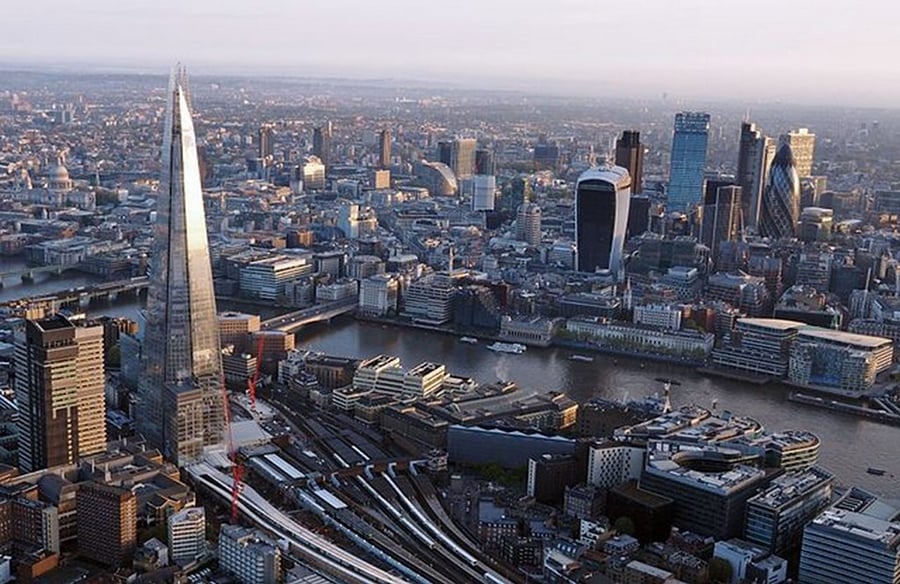
Buenos Aires, Argentina – Most Populated Cities in the World
Buenos Aires, the vibrant capital of Argentina, stands as a testament to the intersection of rich cultural heritage and contemporary architectural innovation. This article delves into the multifaceted architectural landscape of Buenos Aires, exploring its historical foundations, modern design philosophies, and the transformative constructions that define this populous city.
Buenos Aires’s Population Dynamics
Population Dynamics
Buenos Aires, with a population surpassing 15 million, is not only the most populous city in Argentina but also one of the largest in South America. The city’s growth is indicative of Argentina’s urbanization trends and economic prominence. Located on the eastern shore of the Río de la Plata, Buenos Aires’s strategic position has played a pivotal role in shaping its demographic landscape.
Architectural Diversity in Buenos Aires
Historical Heritage and Colonial Splendor
Buenos Aires proudly preserves its historical heritage through architectural gems like the Teatro Colon, the Casa Rosada, and the Metropolitan Cathedral. These structures, dating back to the Spanish colonial era and subsequent periods, serve as architectural milestones, reflecting the city’s deep cultural connections. Amidst the modern skyline, these historical landmarks stand as guardians of Buenos Aires’s profound link to its past.
Contemporary Urban Development
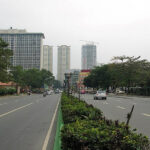
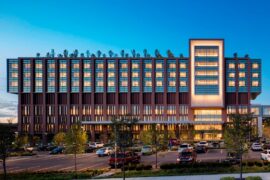
Buenos Aires’s architectural landscape seamlessly blends historical charm with contemporary flair. The city’s skyline is adorned with structures such as the Puente de la Mujer and the Usina del Arte, showcasing Buenos Aires’s economic and cultural prominence. Architects in Buenos Aires navigate the challenge of limited space with innovative designs, emphasizing both functionality and aesthetic appeal.
Sustainable Architecture Initiatives
Green Building Practices
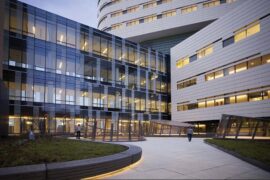
As Buenos Aires addresses environmental challenges, architects have embraced sustainable solutions. Green building practices, including energy-efficient designs, use of eco-friendly materials, and integration of green spaces, are becoming integral to Buenos Aires’s architectural discourse. These initiatives underscore the city’s commitment to balanced urban development.
Urban Planning and Zoning Strategies
Mixed-Use Urban Planning
Buenos Aires’s urban planning prioritizes mixed-use zoning strategies to optimize limited space. This approach fosters the integration of residential, commercial, and recreational areas, creating cohesive neighborhoods. Planners in Buenos Aires work towards balancing the demands of a growing population with sustainable urban development.
Resilience in the Face of Urban Challenges
Architectural Adaptability
Buenos Aires, like many global cities, faces challenges such as traffic congestion and housing demands. Architects prioritize resilient designs that adapt to the evolving urban dynamics, emphasizing flexibility and innovative solutions. The city’s architectural resilience reflects its determination to address the complex challenges of urbanization.
Technological Integration in Buenos Aires’s Architecture
Digital Innovations and Urban Connectivity
Buenos Aires’s architectural landscape incorporates technological advancements for enhanced urban connectivity. From digital mapping for urban planning to the use of smart technologies in building management, Buenos Aires’s architects leverage innovation to improve efficiency and sustainability. The city’s commitment to technological integration positions it as a hub for modern architectural practices in South America.
Architectural Icons of Buenos Aires
Obelisco de Buenos Aires
The Obelisco de Buenos Aires, an iconic landmark, stands as a symbol of the city’s architectural grandeur. Its monumental design and historical significance make it a focal point in Buenos Aires’s urban landscape, representing the city’s cultural identity and resilience.
Puerto Madero
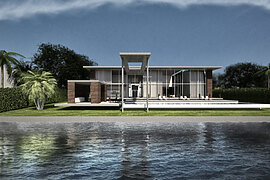
Puerto Madero, a waterfront district transformed through urban revitalization, exemplifies Buenos Aires’s commitment to modern architecture. Its sleek skyscrapers, such as the Faena Arts Center, contribute to the city’s contemporary aesthetic, showcasing a blend of innovation and elegance.
Buenos Aires’s Future Architectural Landscape
As Buenos Aires continues to evolve, the city’s architectural landscape is poised for further transformation. Urban planners and architects are exploring innovative solutions to accommodate the growing population while preserving the city’s historical identity. Buenos Aires’s commitment to sustainable practices, technological integration, and resilient design will shape its architectural future.
Conclusion
In conclusion, Buenos Aires, Argentina, emerges as a dynamic city where architectural elegance intertwines with cultural richness. From historical landmarks that narrate the city’s past to contemporary structures shaping its skyline, Buenos Aires reflects the resilience and adaptability of its architects. As the city looks towards the future, its architectural landscape promises to be a captivating canvas for designers, architects, and urban enthusiasts eager to witness the fusion of tradition and modernity in the heart of South America.