Townsmen – Architecture Games you can play on your mobile
In the ever-evolving landscape of mobile gaming, Townsmen emerges as a strategic gem that beckons players to embark on a journey of architectural prowess. This article delves into the distinctive features of Townsmen, examining its gameplay mechanics, architectural challenges, and its role in fostering a nuanced understanding of design and construction within the virtual realm.
Unveiling Townsmen: Mastering Urban Design in the Palm of Your Hand
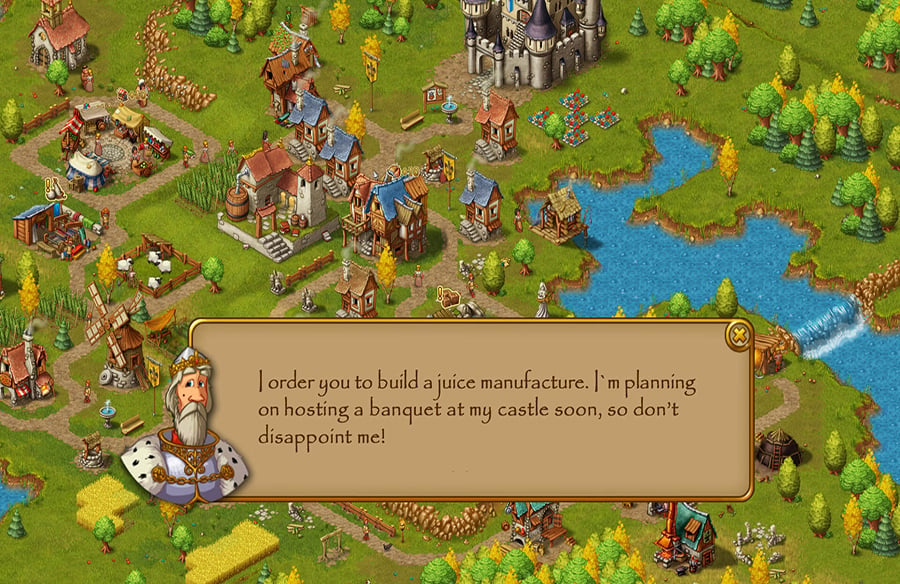
Gameplay Overview: Townsmen places players in the role of a city builder, offering a dynamic simulation of urban development. Aspiring architects and strategists are tasked with crafting a flourishing medieval town, navigating challenges that mirror the complexities faced by real-world city planners.
Architectural Ingenuity: One of Townsmen’s standout features is its emphasis on architectural ingenuity. Players have the creative freedom to design intricate medieval landscapes, constructing buildings that range from quaint cottages to grandiose castles, mirroring the diversity of architectural styles prevalent in historical urban centers.
Key Features of Townsmen:
- Resource Management: At the heart of Townsmen lies a robust resource management system. Players must strategically allocate resources, manage production chains, and balance the needs of their virtual populace, introducing an element of realism that echoes the challenges encountered in real-world urban development.
- Dynamic Urban Growth: Townsmen dynamically simulates urban growth, with player decisions influencing the expansion and evolution of the virtual town. From population dynamics to infrastructure development, the game provides a comprehensive experience that mirrors the intricate web of factors affecting real urban landscapes.
- Economic Complexity: The economic intricacies within Townsmen set it apart as a game that transcends mere city-building. Players engage in trade, establish markets, and nurture economic growth, gaining insights into the symbiotic relationship between commerce and urban development.
Townsmen as an Architectural Learning Platform:
Historical Insights: Townsmen serves as a virtual time capsule, offering players glimpses into historical architectural practices. The game’s medieval setting provides an educational backdrop, allowing users to explore and understand architectural nuances prevalent in different eras.
Strategic Decision-Making: Architects and urban planners can benefit from Townsmen’s emphasis on strategic decision-making. The game necessitates thoughtful planning and consideration of various factors, honing skills that are directly applicable to real-world architectural projects.
Impact on the Design and Construction Industry:
Innovative Design Inspiration: Townsmen’s success reflects the capacity of mobile gaming to inspire innovative design within the architectural realm. Architects can draw inspiration from the game’s blend of creativity and strategic thinking, exploring unconventional ideas that may find practical application in tangible construction projects.
Technology Integration: The integration of technology within Townsmen highlights the industry’s adaptability to digital platforms. The game’s accessibility on mobile devices underscores the growing role of technology in architecture, offering a glimpse into the future of collaborative and interactive design processes.
Future Prospects and Advancements:
Enhanced Realism: As technology continues to advance, Townsmen and similar games are poised to witness enhanced realism. Improved graphics, augmented reality features, and advanced simulations will elevate the gaming experience, providing users with an even more immersive understanding of architectural challenges.
Educational Potential: Townsmen’s role as an educational tool is likely to expand, aligning with the broader trend of integrating technology into education. Gamified simulations like Townsmen have the potential to become integral components of architectural curricula, providing students with practical experiences and enhancing traditional learning methods.