Suzuka Circuit – Biggest race car tracks in the world
Nestled in the heart of Mie Prefecture, Japan, the Suzuka Circuit stands as a testament to the seamless integration of design and functionality in the world of motorsports. This article meticulously explores the architectural grandeur of the Suzuka Circuit, delving into its history, distinctive features, and the impact it has had on the global stage of racing.
The Birth of Suzuka: A Racing Haven in the Land of the Rising Sun
Honda’s Visionary Initiative
The Suzuka Circuit was conceived as part of Honda’s ambitious venture to establish a world-class racing facility in Japan. The vision was to create a track that not only challenged the skills of drivers but also stood out as an architectural marvel. In 1962, the dream became a reality when Suzuka opened its gates, marking the beginning of a storied legacy in motorsports architecture.
John Hugenholtz’s Architectural Ingenuity
Renowned Dutch architect John Hugenholtz played a pivotal role in shaping the initial layout of the Suzuka Circuit. His design philosophy emphasized a harmonious blend of challenging racing elements with an eye for aesthetic appeal. The result was a unique track that showcased sweeping curves, challenging chicanes, and a figure-eight configuration that set Suzuka apart from other circuits.
A Hub of Innovation
Suzuka Circuit has continuously evolved over the years, with architectural enhancements reflecting the latest advancements in racing technology and safety. From track resurfacing to the introduction of cutting-edge facilities, Suzuka remains at the forefront of motorsports innovation, cementing its status as a hub for technological and architectural excellence.
Architectural Symphony: Suzuka’s Design Elements
Figure-Eight Configuration: A Racing Rarity
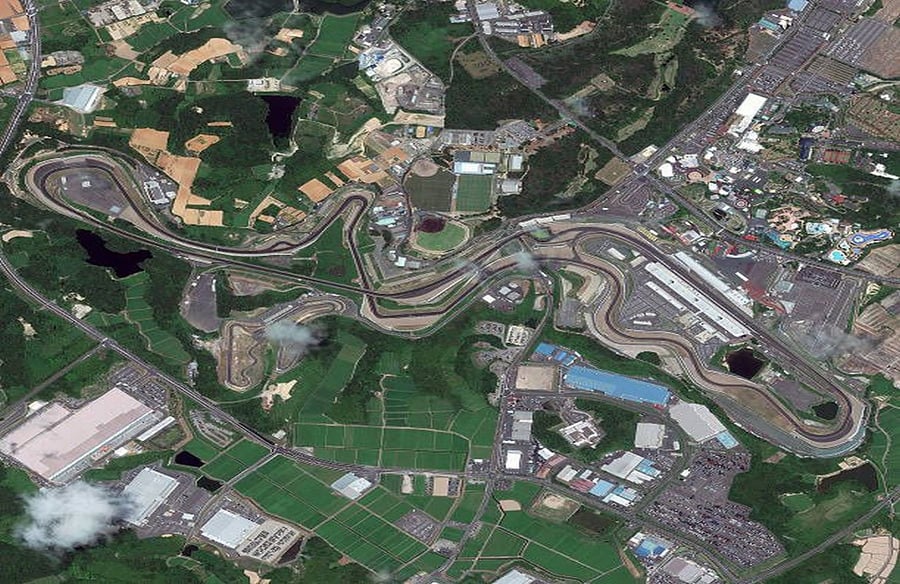
Suzuka’s most distinctive feature is its figure-eight configuration, a rarity in the world of motorsports architecture. The crossover, where the track passes over itself, adds a layer of complexity that demands precision from drivers. This architectural choice not only elevates the technical challenge but also contributes to the track’s iconic status.
Elevation Changes: Dynamic Racing Terrain
The Suzuka Circuit’s undulating terrain and elevation changes present a dynamic racing experience. Architecturally, the incorporation of varying elevations adds an extra dimension to the track, requiring drivers to navigate uphill and downhill sections, testing their skills and providing spectators with unique vantage points to witness the on-track action.
The Famous Esses: A Test of Precision
Suzuka is renowned for its challenging series of corners known as the Esses. Architecturally, these high-speed, S-shaped turns require a delicate balance between precision and speed. The layout of the Esses contributes to the flow of the track, creating a section that demands utmost skill from drivers while providing an exhilarating spectacle for fans.
Technological Marvels: Suzuka’s Architectural Innovations
State-of-the-Art Pit Building
The Suzuka Circuit boasts a modern pit building that seamlessly integrates with the overall architectural theme. The pit facilities are equipped with cutting-edge technology to support teams during race events. The architectural design prioritizes functionality, ensuring efficient pit stops while providing optimal visibility for teams and spectators.
Advanced Timing and Scoring Systems
Suzuka Circuit’s commitment to precision extends to its timing and scoring systems. The architectural integration of advanced technologies ensures accurate recording of lap times and race data. This not only enhances the overall racing experience but also contributes to the reliability and transparency of race results.
Pioneering Safety Measures
Architectural considerations for safety have been paramount at Suzuka. The circuit has implemented pioneering safety measures, including extensive runoff areas and barriers designed to minimize the impact of accidents. These architectural innovations prioritize the well-being of drivers and contribute to Suzuka’s reputation as a safe yet challenging racing venue.
Fan Experience: Architectural Thoughtfulness Beyond the Track
Spectator-Friendly Facilities
Suzuka Circuit has been designed with spectators in mind, offering a range of facilities to enhance the fan experience. From strategically positioned grandstands with panoramic views to fan zones and interactive exhibits, the architectural layout ensures that every visitor can immerse themselves in the excitement of race day.
The Iconic Ferris Wheel
A distinctive architectural feature of Suzuka is its iconic Ferris wheel, providing a unique perspective of the entire circuit. Strategically positioned, the Ferris wheel offers breathtaking views of the racing action and the picturesque surroundings. This architectural element adds a touch of grandeur to the Suzuka experience.
Hospitality Suites and VIP Areas
For those seeking a premium race day experience, Suzuka Circuit offers hospitality suites and VIP areas. These architecturally designed spaces provide comfort and exclusivity, allowing guests to enjoy the racing spectacle in style. The blend of luxury amenities and prime viewing locations underscores Suzuka’s commitment to offering diverse experiences for fans.
Sustainability Initiatives: Suzuka’s Green Racing Legacy
Green Initiatives in Facility Management
Suzuka Circuit recognizes the importance of sustainability in contemporary architecture. The facility management incorporates green initiatives, including waste reduction, recycling programs, and energy-efficient practices. Suzuka’s commitment to environmental responsibility aligns with global efforts to minimize the ecological footprint of major sporting events.
Eco-Friendly Transportation Options
Suzuka encourages eco-friendly transportation options for spectators, including shuttle services and bicycle racks. Architecturally, the incorporation of these elements contributes to a more sustainable event infrastructure, reducing the environmental impact of attendee travel.
Community Engagement and Environmental Education
Beyond the track, Suzuka Circuit engages with the local community through environmental education programs. These initiatives raise awareness about sustainability and promote eco-friendly practices. Architecturally, the circuit serves as a platform for fostering environmental consciousness among visitors and the broader community.