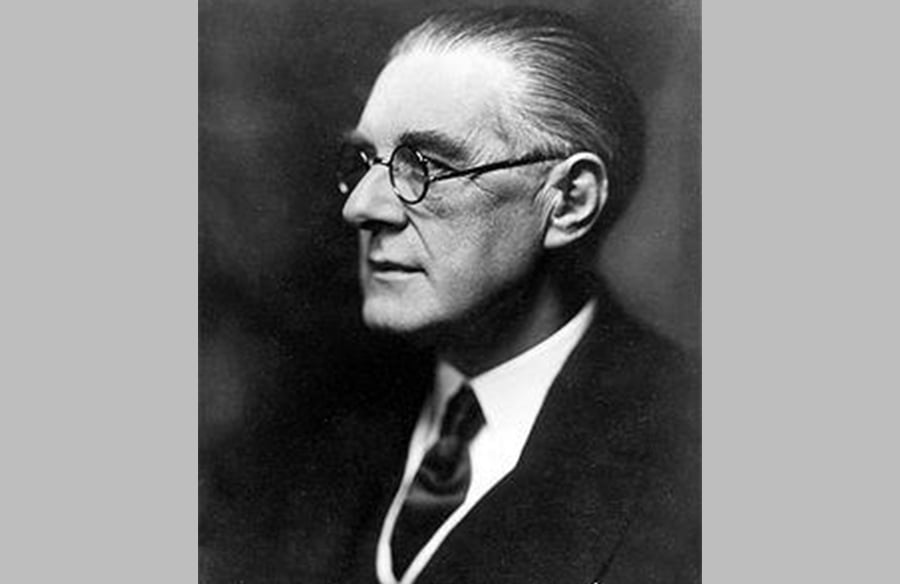
Peter Behrens – Famous Architects in the World of all Time
Peter Behrens, a prominent figure in the early 20th-century architecture and design, is celebrated for his pioneering contributions that shaped the landscape of modern architecture and industrial design.
Early Life and Education
Born in Hamburg, Germany, in 1868, Behrens initially pursued painting before turning his focus to architecture. He received his architectural education at the Düsseldorf School of Arts and Crafts and later studied under architect Karl Friedrich Schinkel’s influence.
Influences and Style Evolution
Behrens was profoundly influenced by the Arts and Crafts movement and its principles of craftsmanship and functionality. He embraced a holistic approach, integrating art, architecture, and industrial design. His early works reflected traditional architectural forms before transitioning to embrace the emerging modernist principles.
AEG: Architectural and Design Revolution
Behrens’ pivotal role in shaping modern design emerged during his tenure at the German electrical company AEG (Allgemeine Elektricitäts-Gesellschaft). His work for AEG, including the design of factory buildings, product design, and branding, marked a revolutionary shift towards industrial design and corporate identity.
Architectural Works
Behrens’ architectural designs are characterized by their rationality, simplicity, and functionalism. Notable among his architectural works is the AEG Turbine Factory in Berlin, considered a pioneering example of modern industrial architecture, featuring a steel and glass structure that emphasizes both aesthetic and functional elements.
He also designed the Fagus Factory in Alfeld, known for its innovative use of glass and steel, showcasing Behrens’ pursuit of integrating industry with architecture.
Influence on Modernist Movement
Behrens’ influence extended beyond his architectural works; his collaborations with notable figures such as Walter Gropius, Le Corbusier, and Mies van der Rohe were instrumental in shaping the modernist movement. His emphasis on functionality, industrial aesthetics, and the unity of design set the groundwork for Bauhaus principles.
Legacy and Impact
Peter Behrens’ legacy is profound, shaping the intersection of architecture, design, and industry. His contributions laid the foundation for modern architectural practices, emphasizing the integration of art, technology, and functionality, which continues to resonate in contemporary design approaches.
Conclusion
Peter Behrens’ pioneering spirit, innovative designs, and dedication to merging architecture with industry forged a path for modern architecture and design. His legacy remains an indelible mark in architectural history, inspiring generations of architects and designers to create harmonious, functional, and aesthetically pleasing spaces.