Maluti Temples – The lesser-known historical monuments in India
Nestled in the serene landscapes of Jharkhand, the Maluti Temples stand as an embodiment of India’s lesser-known architectural treasures. Steeped in history and cultural significance, these temples showcase the exquisite craftsmanship and indigenous architectural styles that have defined the region for centuries.
Unveiling the Maluti Temples: A Historical Panorama
Historical Roots
The Maluti Temples, dating back to the 17th century, are a cluster of intricately designed terracotta temples that form an essential part of India’s cultural heritage. Commissioned by the royal family of Bishnupur, these temples are dedicated to various Hindu deities, each narrating stories of devotion and artistic brilliance.
Vernacular Architecture
The Maluti Temples stand out for their distinctive vernacular architecture, reflecting the regional ethos and cultural influences prevalent during their construction. The temples, crafted from locally available materials, seamlessly integrate with the surrounding landscape, creating a harmonious blend of art and nature.
The Architectural Splendor of Maluti Temples
Terracotta Extravaganza
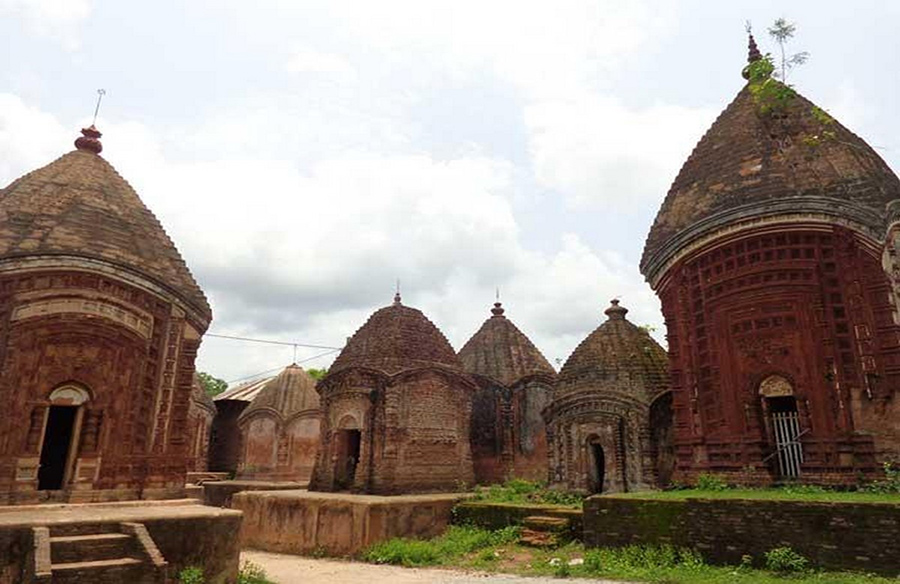
The hallmark of Maluti Temples is their extensive use of terracotta, a clay-based ceramic material. The exteriors of the temples are adorned with intricate terracotta panels depicting mythological scenes, floral motifs, and religious narratives. The terracotta work is a testament to the skill and creativity of the local artisans.
Temple Layout and Design Elements
The temples, though relatively small in scale, boast a meticulous layout and design elements that exemplify the architectural finesse of the time. The spires, adorned with terracotta ornamentation, reach towards the sky, creating an ethereal ambiance. The interiors are equally captivating, with detailed carvings and sacred sanctums dedicated to different deities.
Preservation Challenges and Conservation Efforts
Weathering and Environmental Impact
Over the centuries, the Maluti Temples have faced challenges from weathering and environmental impact. The exposure to the elements, coupled with inadequate maintenance, has led to the gradual deterioration of the terracotta artwork. Preservation efforts are imperative to ensure the longevity of these architectural marvels.
Conservation Initiatives
Recognizing the historical and cultural significance of Maluti Temples, various conservation initiatives have been initiated. Governmental and non-governmental organizations have collaborated to undertake restoration projects, including structural repairs, terracotta preservation, and community awareness programs. These endeavors aim to safeguard the temples for future generations.
Exploring Maluti Temples: A Journey Through Time
Cultural Sojourn
Visitors to Maluti Temples embark on a cultural sojourn, delving into the intricacies of vernacular architecture and the rich tapestry of Hindu mythology. The serene surroundings, coupled with the timeless beauty of the terracotta artwork, create an immersive experience that transports visitors to a bygone era.
Educational Significance
Maluti Temples serve as an educational resource for architects, historians, and art enthusiasts. Guided tours and interpretive materials provide insights into the architectural evolution, artistic techniques, and cultural context of the temples. The synthesis of indigenous materials and craftsmanship adds depth to the educational significance of these structures.
The Future of Maluti Temples: A Call to Cultural Preservation
Community Involvement
Preserving the cultural heritage of Maluti Temples requires active community involvement. Initiatives that engage the local community in the conservation process foster a sense of ownership and pride in the cultural legacy. The preservation efforts should include skill development programs to ensure the continuity of traditional craftsmanship.