Roof Design in Hot and Humid Climate – Things to remember while designing in Hot & Humid climate
In hot and humid climates, the design of roofs plays a critical role in managing temperature, controlling humidity, and ensuring overall comfort within architectural spaces. A well-planned roof design is essential for architects and designers to create environments that mitigate heat gain and foster pleasant indoor conditions.
Heat Mitigation Strategies Through Roof Design
Reflective Roofing Materials
Utilizing reflective roofing materials helps minimize heat absorption. Light-colored or reflective coatings on roofs reduce solar heat gain, keeping interiors cooler by reflecting sunlight away.
Insulation and Ventilation
Effective roof insulation and ventilation systems are crucial. Proper insulation prevents heat transfer, while ventilation allows trapped heat to escape, maintaining a more comfortable indoor environment.
Ventilation-Focused Roof Architecture
Sloped Roofs for Airflow
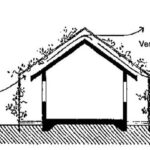
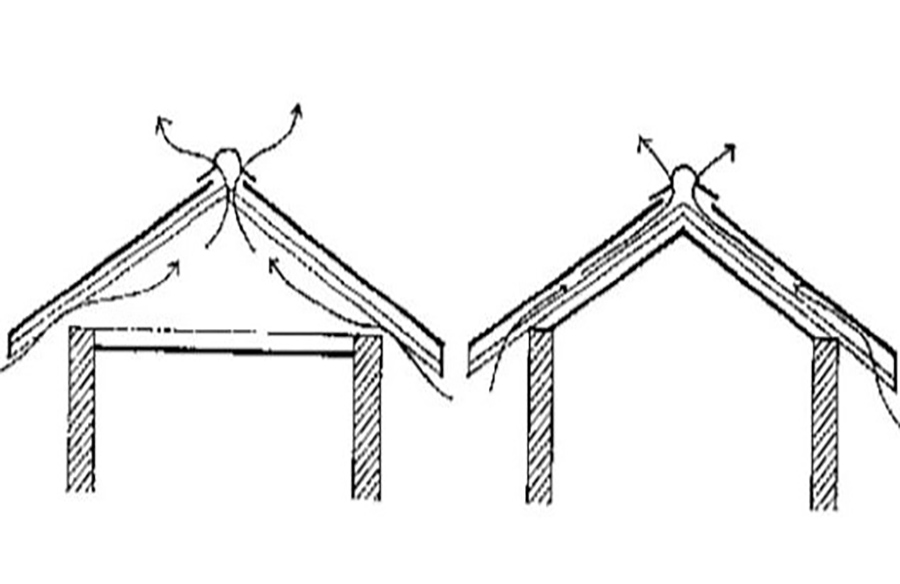
Sloped roofs encourage upward airflow. This design allows hot air to rise and escape, drawing in cooler air from lower levels, aiding in natural ventilation and cooling.
Ridge Vents and Chimneys
Incorporating ridge vents and chimneys in roof design creates pathways for hot air to exit. These features enhance airflow and prevent heat buildup in enclosed spaces.
Design Considerations for Optimal Roof Functionality
Roof Overhangs and Shades
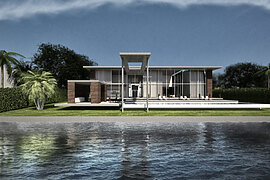
Strategic roof overhangs and shades protect walls and windows from direct sunlight. This shading minimizes heat gain while allowing natural light to filter through, maintaining a balance between illumination and temperature control.
Green Roofs and Cool Roof Technologies
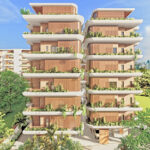
Green roofs and cool roof technologies offer innovative solutions. Vegetated roofs and specialized reflective surfaces contribute to thermal insulation and reduced heat absorption, enhancing comfort.
Advantages Beyond Temperature Regulation
Rainwater Harvesting
Roof design can integrate rainwater harvesting systems. Collecting rainwater for reuse not only conserves water but also aids in cooling roofs through evaporation.
Solar Panels and Energy Efficiency
Roofs provide an ideal space for solar panel installation. Harnessing solar energy contributes to energy efficiency, reducing reliance on traditional energy sources.
Sustainable and Functional Roof Design
Passive Design Integration
Incorporating passive design principles into roof design maximizes efficiency. Thoughtful placement and materials optimize energy usage and enhance thermal comfort.
Durable and Low-Maintenance Materials
Choosing durable, low-maintenance roofing materials ensures longevity. Sustainable materials reduce the need for frequent replacements, promoting environmentally friendly practices.
Collaborative Approach for Optimal Roof Design
Interdisciplinary Collaboration
Collaboration among architects, engineers, and sustainability experts is key. This ensures a holistic approach that merges functionality, sustainability, and aesthetic appeal in roof design.
Action for Optimized Roof Design
Implementing Sustainable Roofing Solutions
Integrate sustainable roof design in architectural projects. Collaborate with experts to create roofs that prioritize comfort, energy efficiency, and environmental responsibility.
Embrace Sustainable Roofing Solutions Today
Roof design tailored to hot and humid climates significantly impacts indoor comfort and sustainability. Engage with professionals to integrate architectural solutions that optimize environments through well-designed roofs.