The Role of Building Form in Hot and Humid Climates – Things to remember while designing in Hot & Humid climate
In hot and humid climates, the design of building forms holds immense significance in shaping the microclimate within and around structures. Building form impacts temperature regulation, ventilation, and overall comfort, making it a crucial consideration for architects and designers in these regions.
Mitigating Heat with Thoughtful Building Form
Orientation and Massing
Strategic building orientation and massing play a pivotal role in reducing heat gain. Properly orienting structures and employing compact building forms minimize direct sun exposure, diminishing the impact of solar radiation on interiors.
Shading Strategies
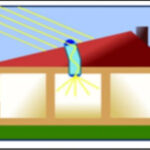
Incorporating architectural elements like extended eaves, balconies, and shading devices aids in shading windows and walls. This reduces solar heat gain, creating cooler indoor environments and reducing the reliance on mechanical cooling systems.
Facilitating Ventilation Through Building Form
Cross-Ventilation Opportunities
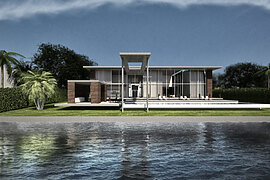
Building forms that allow for cross-ventilation facilitate the movement of air through spaces. Courtyards, open layouts, and appropriately placed windows create pathways for breezes, promoting natural ventilation and cooling.
Stack Ventilation Principles
Tall and well-ventilated building forms leverage stack ventilation. The design encourages the upward movement of hot air, facilitating its release at higher levels while drawing in cooler air from lower openings.
Design Considerations for Optimal Building Forms
Compactness and Proportion
Compact building forms with efficient proportions minimize the surface area exposed to the sun. This design approach reduces heat absorption and helps maintain cooler indoor temperatures.
Awnings and Overhangs
Incorporating awnings and overhangs into building designs shields windows and facades from direct sunlight. This feature aids in maintaining comfortable indoor temperatures by limiting solar heat penetration.
Balancing Aesthetics and Functionality
Vernacular Architecture Influence
Drawing inspiration from local vernacular architecture proves beneficial. Traditional building forms often reflect responses to climate, offering insights into designs that balance aesthetics and climate responsiveness.
Aesthetic Adaptation to Climate
Integrating aesthetic elements that complement climate-responsive design is crucial. Harmonizing aesthetics with functional building forms ensures a cohesive and visually appealing architectural language.
Achieving Sustainable Building Forms
Green Building Strategies
Incorporating green building principles into building form design enhances sustainability. Green roofs, vegetated walls, and passive solar design elements contribute to energy efficiency and environmental conservation.
Material Selection for Thermal Performance
Choosing building materials with high thermal mass and insulation properties optimizes building form efficiency. These materials help in maintaining stable indoor temperatures and reducing the need for excessive cooling.
Collaboration for Effective Building Forms
Interdisciplinary Collaboration
Collaboration among architects, urban designers, and engineers is essential. Integrating expertise from multiple disciplines ensures holistic and effective design solutions for hot and humid climates.
Action for Optimized Building Forms
Integrating Climate-Responsive Building Forms
Embrace climate-responsive building forms in architectural projects. Engage with design professionals to implement solutions that optimize comfort, energy efficiency, and sustainability in hot and humid climates.
Embrace Climate-Responsive Building Forms Today
Building forms tailored to hot and humid climates significantly impact comfort and sustainability. Engage with experts to integrate architectural solutions that prioritize climate responsiveness and elevate design excellence.