Transparent Wood – Innovative construction materials used around the world
In the ever-evolving realm of architecture, designers are constantly seeking innovative materials that not only push the boundaries of creativity but also contribute to sustainable and efficient construction practices. One such revolutionary material that has gained traction in recent years is Transparent Wood. This transparent wonder promises to redefine the way we envision and construct buildings, combining aesthetics, strength, and sustainability in a single solution.
Strength and Durability: Crafting Robust Foundations
Transparent Wood, despite its seemingly delicate appearance, boasts remarkable strength and durability. Manufactured through a meticulous process that removes lignin—a component that gives wood its opacity—this material retains the structural integrity of traditional wood while introducing transparency. Architects and engineers are increasingly exploring the use of Transparent Wood in various architectural elements, from load-bearing walls to flooring.
Ease of Installation: Streamlining Construction Processes
Architectural projects often face challenges related to installation time and complexity. Transparent Wood, with its adaptability and ease of installation, addresses these concerns. Unlike some high-tech materials that require specialized expertise, Transparent Wood integrates seamlessly into conventional construction practices. This quality not only facilitates efficient project timelines but also makes it a viable option for a wide range of construction professionals.
Cost-Effectiveness: Balancing Innovation and Affordability
In the competitive world of architecture, cost considerations play a pivotal role in material selection. Transparent Wood strikes a harmonious balance between innovation and cost-effectiveness. While initially perceived as a premium material, advancements in production techniques and growing market demand have resulted in more competitive pricing. As the industry embraces Transparent Wood, we can anticipate further cost reductions, making it an economically viable choice for diverse architectural projects.
Aesthetic Appeal: Elevating Design Possibilities
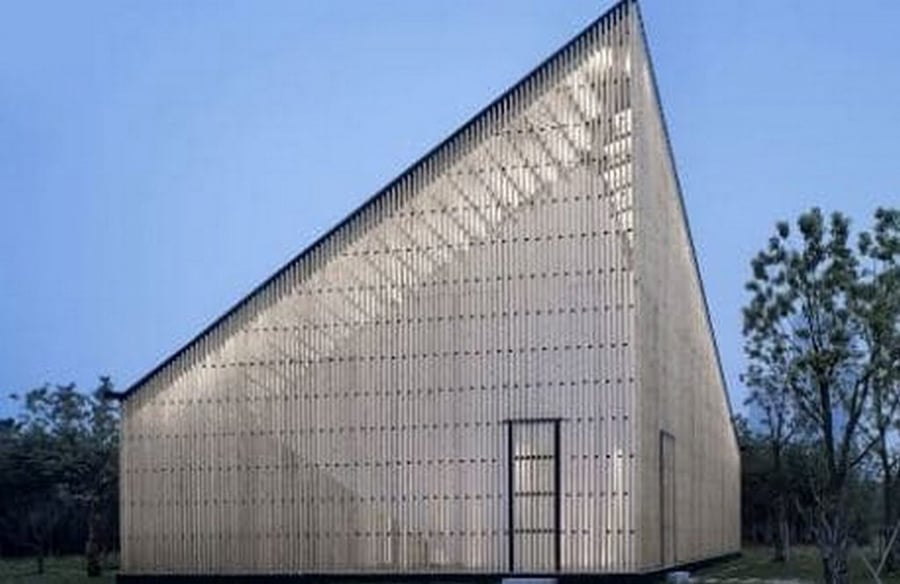
Architects are drawn to Transparent Wood not only for its structural capabilities but also for its unparalleled aesthetic appeal. The material allows natural light to permeate spaces, creating a luminous and inviting atmosphere. This characteristic has been leveraged in various architectural design projects, where Transparent Wood is used to craft visually stunning façades, interior partitions, and even furniture pieces, contributing to a unique and modern architectural language.
Availability: Meeting Industry Demands
As awareness and interest in Transparent Wood continue to grow, concerns regarding its availability often arise. However, the material’s production has scaled up in response to market demands. Several manufacturers are now producing Transparent Wood on a commercial scale, ensuring a steady supply for architects and builders keen on incorporating this innovative material into their projects.
Compatibility with Other Materials: Seamless Integration
The versatility of Transparent Wood extends to its compatibility with various other construction materials. Architects find it easy to integrate Transparent Wood with steel, concrete, and even traditional opaque wood, opening up a myriad of design possibilities. This seamless compatibility enhances the material’s applicability across diverse architectural styles and structural requirements.
Environmental Impact: Paving the Way for Sustainable Practices
In an era where sustainability is a top priority, Transparent Wood emerges as an eco-friendly choice. The production process involves utilizing wood from sustainably managed forests, and the transparency allows for increased natural lighting, reducing the need for artificial illumination. Architects and environmental enthusiasts alike are championing Transparent Wood as a key player in the quest for sustainable and responsible construction practices.
Fire Resistance: Prioritizing Safety in Design
Safety is a paramount concern in architecture, and Transparent Wood doesn’t compromise on fire resistance. Through innovative treatment processes, Transparent Wood can achieve high levels of fire resistance, meeting and often exceeding industry standards. This quality ensures that architects can confidently integrate Transparent Wood into their designs without compromising on the safety and well-being of building occupants.
Thermal Insulation: Enhancing Comfort and Efficiency
Transparent Wood offers impressive thermal insulation properties, contributing to energy-efficient building designs. This characteristic is particularly valuable in regions with extreme climates. Architects leverage Transparent Wood to create structures that not only harness natural light but also maintain comfortable indoor temperatures, reducing reliance on artificial heating and cooling systems.
Density and Weight: Striking the Right Balance
Balancing structural integrity with weight considerations is crucial in architectural design. Transparent Wood, with its optimal density and weight, provides architects with a material that is both sturdy and manageable. This attribute proves advantageous in constructing large-scale projects where minimizing the overall load on the structure is a critical factor.
Recyclability: Embracing Circular Design Principles
In the pursuit of sustainable architecture, the recyclability of materials is a key consideration. Transparent Wood aligns with the principles of circular design as it can be recycled and repurposed. This feature not only reduces environmental impact but also supports the industry’s shift towards a more sustainable and responsible approach to construction.
Sound Insulation: Creating Serene Spaces
Architects recognize the importance of sound insulation in creating comfortable and functional spaces. Transparent Wood, with its inherent acoustic properties, provides an additional layer of functionality. From residential dwellings to commercial establishments, architects can leverage Transparent Wood to design spaces that offer tranquility and privacy, enhancing the overall user experience.
Embracing the Future: Transparent Wood in Modern Architecture
The application of Transparent Wood in modern architecture is not merely a trend but a testament to the industry’s commitment to innovation and sustainability. Architects worldwide are incorporating Transparent Wood into their designs, pushing the boundaries of what is possible in terms of aesthetics, structural integrity, and environmental responsibility.
As the architectural landscape continues to evolve, Transparent Wood stands as a symbol of progress—a material that marries form and function, tradition and innovation. The potential applications of Transparent Wood in architectural design are vast, and its continued exploration is poised to shape the skylines of the future.
Conclusion: Pioneering Sustainable Design with Transparent Wood
In the dynamic world of architecture, where creativity meets functionality, Transparent Wood emerges as a game-changer. From its strength and durability to its aesthetic appeal and sustainable attributes, Transparent Wood offers a holistic solution for architects and builders alike. As the industry embraces this innovative construction material, it is not just constructing buildings; it is laying the foundation for a more sustainable and visually captivating future.
Architects, designers, and builders are encouraged to explore the possibilities that Transparent Wood presents in their projects. By integrating this groundbreaking material into architectural designs, professionals contribute to a greener and more innovative built environment.
Embrace the transparency revolution in architecture—where tradition meets innovation, and buildings become a canvas for sustainable and awe-inspiring designs. The journey towards a more transparent future starts with the careful selection of materials that not only meet the demands of the present but also pave the way for a sustainable and visionary architectural landscape.