The Most Expensive Train Station – Facts about The Oculus NYC -Transportation Hub
In the realm of architectural marvels, train stations stand as iconic symbols of transportation and urban connectivity. However, among these hubs of transit, some transcend mere functionality to achieve architectural opulence and extravagance. In this exploration, we delve into “The Most Expensive Train Station,” unraveling the intricate design, financial investments, and educational significance that make these structures truly extraordinary.
Understanding Architectural Splendor:
The Oculus in New York: A Paradigm of Extravagance
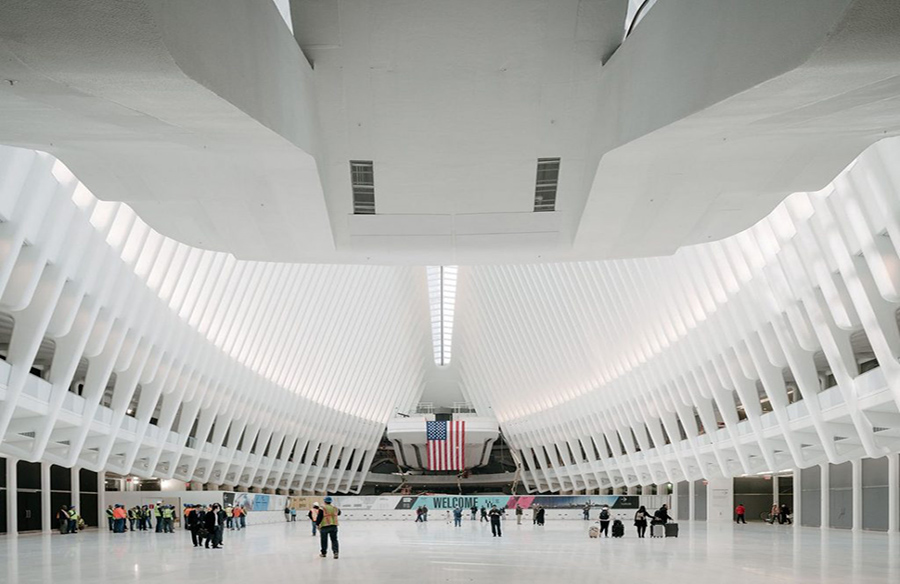
One prime example of a train station that epitomizes opulence is the Oculus in New York City. Constructed at the World Trade Center transportation hub, the Oculus is a breathtaking fusion of design and functionality. Designed by renowned architect Santiago Calatrava, the station resembles a massive white dove in flight, symbolizing hope and resilience after the 9/11 attacks.
The Oculus stands as an architectural masterpiece, featuring a ribbed, wing-like structure that opens up to the sky. Its interior is a vast, cathedral-like space, flooded with natural light, creating a serene atmosphere for commuters. This station not only serves as a transit hub but also stands as a poignant memorial and a testament to the transformative power of architecture.
The Financial Tapestry:
Unraveling the Costs Behind Extravagance
Creating such architectural wonders comes at a staggering cost. The financial investments required for the construction of an expensive train station are often jaw-dropping, involving meticulous planning and execution. From cutting-edge materials to innovative design elements, every aspect contributes to the overall cost.
The Oculus, for instance, incurred a budget that soared into the billions. The use of high-quality materials, intricate engineering, and the incorporation of artistic elements significantly contributed to the overall expenses. Such financial investments are not merely for aesthetic purposes but also for creating a functional, state-of-the-art transportation hub that enhances the urban landscape.
Educational Significance for Students of Architecture:
A Classroom Beyond the Lecture Hall
For students pursuing architecture, studying these expensive train stations offers a unique educational experience. It goes beyond theoretical concepts taught in classrooms, providing insights into real-world challenges and opportunities. The Oculus, with its avant-garde design, serves as a living example of how architectural principles can be applied in ambitious projects.
Students can analyze the Oculus to understand the integration of form and function, the use of cutting-edge materials, and the importance of sustainability in large-scale projects. The station’s spatial design and its impact on user experience become valuable lessons for budding architects, emphasizing the need for a holistic approach that balances aesthetics with practicality.
Architectural Considerations:
Balancing Aesthetics and Functionality
Expensive train stations are not merely architectural showpieces; they are carefully crafted environments that cater to the diverse needs of commuters. Architects must strike a delicate balance between aesthetics and functionality to create structures that are both visually stunning and highly efficient.
In the case of the Oculus, Calatrava’s design not only captivates with its symbolic significance but also ensures smooth transit flow. The soaring, unobstructed spaces facilitate easy navigation, while the use of natural light reduces the reliance on artificial lighting. These considerations underscore the importance of holistic design thinking in creating impactful architectural statements.
The Architect’s Perspective:
Challenges and Triumphs in Monumental Projects
Architects engaged in designing the most expensive train stations face unique challenges. The scale of these projects demands a meticulous understanding of engineering, urban planning, and public spaces. The Oculus, for instance, had to overcome engineering hurdles to create its distinctive winged structure, requiring innovative solutions to balance form and stability.
Moreover, architects must navigate the expectations of both clients and the public. The financial investments in these projects amplify the stakes, making successful execution crucial. A thorough understanding of architectural principles, coupled with the ability to push boundaries, defines architects who embark on such monumental endeavors.
Conclusion:
In the realm of architecture, the most expensive train stations stand as testaments to human innovation, resilience, and a commitment to pushing the boundaries of design. The Oculus in New York City serves as a shining example, encapsulating both the financial investments and educational significance inherent in such projects. For students of architecture and seasoned architects alike, these grand structures provide a canvas to explore the intricate interplay between form and function, leaving an indelible mark on the urban landscape. As we marvel at these architectural wonders, we are reminded that the most expensive train stations are not just transportation hubs; they are enduring symbols of human ingenuity.