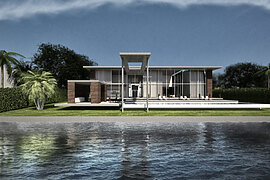
Spanish Castle of Cristiano Ronaldo – Cristiano Ronaldo House
In the realm of opulent residences, few can rival the magnificence of Cristiano Ronaldo’s Spanish castle. This architectural marvel, nestled in the picturesque landscapes of Spain, stands as a testament to the football legend’s impeccable taste and penchant for luxury. In this comprehensive exploration, we delve into the intricate details of the property’s architecture, interior design, and the historical significance that underpins its construction.
A Regal Retreat: Unveiling the Exterior Architecture
The exterior of Ronaldo’s Spanish castle exudes a regal charm that seamlessly blends with the surrounding natural beauty. The castle’s architecture is a fusion of traditional Spanish influences and modern design elements, creating a timeless aesthetic that captivates onlookers.
1. Spanish Architectural Influences
The castle draws inspiration from various Spanish architectural styles, prominently featuring elements of Moorish, Gothic, and Renaissance designs. The result is a harmonious synthesis that pays homage to Spain’s rich cultural and architectural heritage.
2. Grandiose Entrance: Gateways to Luxury
The entrance of the castle, marked by an imposing gate, showcases intricate wrought ironwork and stonemasonry. The grandeur of this entrance sets the tone for the opulence that awaits within. A carefully curated landscaping design further enhances the visual appeal, creating a seamless transition from the outside world into the castle’s realm.
3. Towering Turrets and Battlements
Towering turrets and battlements punctuate the castle’s skyline, reminiscent of medieval fortifications. These architectural elements not only serve an aesthetic purpose but also contribute to the property’s sense of grandiosity. Each turret is adorned with meticulous detailing, reflecting the craftsmanship invested in the castle’s construction.
Luxury Beyond Boundaries: Interior Design Insights
Beyond the awe-inspiring exterior lies an interior that mirrors the sophistication and luxury associated with Cristiano Ronaldo’s lifestyle. The interior design seamlessly combines modern amenities with classic aesthetics, creating a space that epitomizes comfort and extravagance.
1. Regal Living Spaces
The living spaces within the castle are characterized by high ceilings, intricate moldings, and opulent furnishings. Expansive windows allow natural light to flood the rooms, accentuating the grandeur of the interior design. Ronaldo’s affinity for contemporary art is evident in carefully curated pieces that adorn the walls, adding a personal touch to the space.
2. State-of-the-Art Facilities
The castle is equipped with state-of-the-art facilities that cater to Ronaldo’s discerning taste. A private gym, spa, and an indoor swimming pool exemplify the commitment to luxury and well-being. The interior spaces seamlessly blend functionality with aesthetics, creating an environment that caters to both relaxation and recreation.
3. Masterful Craftsmanship: Details Matter
Every corner of the castle exhibits masterful craftsmanship, from intricately designed staircases to handcrafted furniture. The attention to detail is evident in the choice of materials, with marble, wood, and bespoke finishes enhancing the overall ambiance. Such meticulous craftsmanship not only reflects Ronaldo’s dedication to excellence on the football field but also in the curation of his living spaces.
Historical Significance: Unraveling the Castle’s Past
Beyond its architectural and interior design splendors, Ronaldo’s Spanish castle has a rich historical tapestry that adds depth to its allure. The property’s origins and the cultural context in which it is situated contribute to its significance beyond being a mere residence.
1. Tracing the Roots: Historical Origins
The castle’s history dates back to a bygone era, and meticulous restoration efforts have preserved its authenticity while integrating modern amenities. Ronaldo’s commitment to preserving historical elements while enhancing the property’s functionality demonstrates a nuanced understanding of architectural conservation.
2. Cultural Integration
Situated in a region steeped in Spanish culture, the castle seamlessly integrates with its surroundings. Local artisans and craftsmen were engaged in the restoration process, ensuring that the property becomes a harmonious part of the cultural landscape.
3. Heritage Preservation: A Commitment to the Future
Ronaldo’s Spanish castle stands as a testament to the importance of preserving architectural heritage for future generations. The football icon’s investment in the restoration and maintenance of the property underscores a commitment to cultural sustainability and a recognition of the historical value embedded in the castle’s walls.
Embarking on Your Architectural Journey
As admirers marvel at the architectural splendors of Cristiano Ronaldo’s Spanish castle, it serves as an inspiration for those embarking on their architectural journey. Whether designing a residence or conceptualizing a public space, the principles employed in this castle can guide architects and interior designers towards creating spaces that transcend functionality and become timeless works of art.
1. Inspiration for Aspiring Architects
The castle’s fusion of traditional and modern elements offers a wealth of inspiration for aspiring architects. The seamless integration of historical influences with contemporary design principles showcases the potential for creating spaces that resonate with both the past and the present.
2. Interior Design Insights for Professionals
Interior designers can draw valuable insights from the castle’s lavish interiors. The meticulous attention to detail, the use of premium materials, and the harmonious blending of various design elements provide a blueprint for crafting interiors that exude luxury and sophistication.
3. Cultural Preservation in Architecture
For those passionate about cultural preservation in architecture, Ronaldo’s Spanish castle exemplifies the seamless integration of heritage with modern living. This commitment to preserving cultural and historical elements can serve as a guiding principle for architects and developers alike.
Conclusion: A Castle Beyond Compare
In conclusion, Cristiano Ronaldo’s Spanish castle stands as a paragon of architectural excellence, seamlessly blending history, luxury, and cultural preservation. The careful consideration given to both exterior and interior design elements, coupled with a commitment to heritage preservation, elevates this property to a level beyond compare. As the world continues to marvel at this architectural masterpiece, it serves as an enduring source of inspiration for professionals and enthusiasts alike, beckoning them to embark on their own journeys of creating timeless architectural wonders.