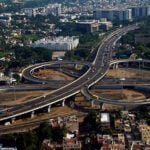
Visvesvaraya Flyover, India – Longest Flyovers around the world as of 2022
The Visvesvaraya Flyover, situated in the vibrant landscape of India, stands not only as a testament to architectural brilliance but also as a pivotal piece in the puzzle of transportation design and urban planning. Named after Sir M. Visvesvaraya, a distinguished engineer, scholar, and statesman, the flyover is a manifestation of careful planning and meticulous execution, intertwining seamlessly with the city’s fabric. In this detailed exploration, we delve into the intricacies of its design, the foresight in transportation planning, and the broader impact on urban development.
Design Excellence: Form Meets Function
The design of the Visvesvaraya Flyover is a masterclass in blending aesthetics with functionality. Engineers and architects collaborated to create a structure that not only eases traffic congestion but also adds a distinctive flair to the city skyline. The flyover’s architectural elements are carefully curated, reflecting both modern design principles and a nod to the cultural heritage of the region.
Structural Marvel: Balancing Act
One cannot discuss the Visvesvaraya Flyover without marveling at its structural intricacies. The use of high-strength materials, advanced engineering techniques, and a keen understanding of load distribution make this flyover a structural masterpiece. The designers employed cutting-edge technology to ensure durability and safety, meeting the highest standards of engineering excellence.
Aesthetic Integration: Harmonizing with the Surroundings
The aesthetics of the flyover are not just an afterthought but an integral part of its design philosophy. The architects paid homage to local culture and history by incorporating elements that resonate with the city’s identity. The use of indigenous materials and a color palette inspired by the region’s natural surroundings contribute to the flyover’s seamless integration into the urban landscape.
Transportation Design: Navigating the Urban Maze
Beyond its visual appeal, the Visvesvaraya Flyover plays a crucial role in optimizing urban transportation. The design takes into account the complex web of traffic patterns, aiming to streamline the flow and reduce bottlenecks.
Traffic Flow Dynamics: Ensuring Smooth Movement
The careful analysis of traffic patterns was a cornerstone of the flyover’s design. Planners used data-driven insights to anticipate peak traffic hours, identify congestion hotspots, and implement solutions that ensure a continuous flow of vehicles. The result is a structure that not only connects two points efficiently but does so with minimal disruption to the existing urban traffic ecosystem.
Pedestrian Integration: Bridging Gaps
Urban planning isn’t just about vehicular movement; it’s also about creating spaces for pedestrians. The Visvesvaraya Flyover incorporates dedicated walkways and green spaces, fostering a sense of community and encouraging sustainable modes of transportation. This holistic approach to urban mobility reflects a forward-thinking mindset that goes beyond addressing immediate traffic concerns.
Urban Design & Planning: Beyond the Concrete Jungle
The impact of the Visvesvaraya Flyover extends beyond its physical structure, influencing the broader landscape of urban planning in the region. Planners took a comprehensive approach, considering not just the immediate vicinity but also the ripple effects on the city’s social and economic dynamics.
Economic Catalyst: Connecting Opportunities
Infrastructure projects like the Visvesvaraya Flyover are not just about moving people; they’re about connecting opportunities. The improved connectivity facilitates smoother movement of goods and services, stimulating economic growth in the surrounding areas. Businesses thrive, and local communities benefit from the increased accessibility.
Environmental Considerations: Paving the Way for Sustainability
In an era where environmental sustainability is paramount, the Visvesvaraya Flyover sets a benchmark by incorporating eco-friendly elements. From energy-efficient lighting to green spaces that act as carbon sinks, the design demonstrates a commitment to minimizing the environmental footprint. It’s a stride towards a more sustainable and resilient urban future.
Call to Action: A Blueprint for Future Urban Development
As we dissect the nuances of the Visvesvaraya Flyover’s design, it becomes evident that it is more than just a transportation infrastructure project. It’s a blueprint for future urban development, a shining example of how thoughtful design and meticulous planning can shape the cities of tomorrow.
Community Engagement: A Vital Ingredient
The success of projects like the Visvesvaraya Flyover hinges on community involvement. Planners actively engaged with local communities, seeking their input and addressing concerns. This collaborative approach ensures that the infrastructure serves the people it intends to benefit, fostering a sense of ownership and pride among residents.
Embracing Technology: The Key to Smart Cities
The Visvesvaraya Flyover incorporates state-of-the-art technology not just in its construction but also in its day-to-day operations. Intelligent traffic management systems, real-time monitoring, and data analytics contribute to its efficiency. Embracing technology is not just a trend; it’s a necessity for creating smart, adaptive cities.
Conclusion: Paving the Way Forward
The Visvesvaraya Flyover stands tall, not just as a physical structure but as a symbol of innovation, efficiency, and sustainable urban development. Its design, rooted in a deep understanding of architectural principles and urban dynamics, serves as a guiding light for future projects. As cities evolve and grow, the lessons learned from the Visvesvaraya Flyover will undoubtedly play a crucial role in shaping the urban landscapes of the future.