Tom Moreland Interchange, USA – Longest Flyovers around the world as of 2022
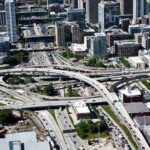
The Tom Moreland Interchange, situated in the heart of the United States, stands as a testament to the prowess of architecture, transportation design, and urban planning. As a vital hub in the country’s extensive network of roadways, this flyover is not just a concrete structure but a well-thought-out piece of infrastructure that seamlessly integrates functionality with aesthetic appeal.
Designing Connectivity: The Core Concept of Tom Moreland Interchange
At the forefront of the Tom Moreland Interchange’s success is its meticulously planned design, focusing on enhancing connectivity between major highways. The interchange links Interstate 285 and Interstate 85 in Atlanta, Georgia, serving as a critical junction for commuters and freight transportation.
1. Elevated Efficiency: The Multi-Level Design
The flyover’s multi-level design is a masterpiece in itself. Divided into three levels, it facilitates smooth traffic flow and minimizes congestion. The lower level accommodates local traffic, while the upper levels handle the high-speed interstate traffic. This innovative approach ensures that different types of traffic are separated, optimizing the overall efficiency of the interchange.
2. Sculpting the Skyline: Aesthetic Considerations
Beyond its functional aspects, the Tom Moreland Interchange incorporates architectural aesthetics seamlessly into its design. The soaring ramps and geometric forms create a distinctive skyline, making the flyover a recognizable landmark in the city. The blend of form and function showcases the importance of aesthetics in enhancing the urban environment.
Urban Planning Precision: Shaping the Future of Atlanta
Tom Moreland Interchange goes beyond being a traffic solution; it plays a pivotal role in shaping the urban landscape of Atlanta. Urban planning considerations were paramount in its development, ensuring it contributes positively to the surrounding areas.
1. Community Integration: Balancing Progress with Livability
One of the key aspects of the flyover’s planning was integrating it harmoniously with the surrounding communities. The architects and planners meticulously considered the impact on nearby neighborhoods, implementing sound barriers and green spaces to minimize noise and visual disruptions. This community-centric approach demonstrates a commitment to creating a balanced and livable urban environment.
2. Future-Proofing Infrastructure: Adaptable Design for Tomorrow
A hallmark of a well-executed urban planning project is its adaptability to future needs. The Tom Moreland Interchange incorporates this principle by featuring ample room for expansion and technological advancements. This forward-thinking approach ensures that the interchange remains a vital component of Atlanta’s infrastructure for decades to come.
Navigating Complexity: Engineering Feats in Transportation Design
Behind the sleek curves and towering ramps of the Tom Moreland Interchange lies a series of engineering marvels that make it a model for transportation design.
1. Precision Engineering: Aligning Form and Function
The intricate weaving of ramps and roads required precise engineering to ensure structural integrity and safety. The design team employed advanced engineering techniques to create a visually stunning and functional structure. The result is a seamless integration of form and function, where each element serves a purpose while contributing to the overall aesthetic appeal.
2. Smart Traffic Management: Leveraging Technology for Efficiency
The Tom Moreland Interchange doesn’t merely rely on traditional traffic management systems. It incorporates smart technologies to monitor and manage traffic flow dynamically. Intelligent traffic signals, surveillance cameras, and real-time data analysis contribute to a responsive and efficient transportation system.
Preserving the Legacy: Maintenance and Sustainability
Ensuring the longevity of such a complex structure requires a robust maintenance plan and a commitment to sustainability.
1. Routine Maintenance: Prolonging the Lifespan
Regular inspections and maintenance activities are critical to preserving the structural integrity of the Tom Moreland Interchange. From checking for wear and tear to addressing any signs of deterioration promptly, a proactive maintenance approach ensures the longevity of this architectural marvel.
2. Green Initiatives: Balancing Progress with Environmental Responsibility
In an era where sustainability is paramount, the Tom Moreland Interchange incorporates green initiatives. From energy-efficient lighting to landscaping that promotes biodiversity, every aspect of the flyover considers its environmental impact. This commitment to sustainability aligns with modern urban planning principles that seek to create infrastructure that is both functional and environmentally responsible.
Conclusion: Tom Moreland Interchange – An Enduring Symbol of Progress
In conclusion, the Tom Moreland Interchange stands tall as a symbol of architectural ingenuity, transportation design excellence, and urban planning mastery. Its multi-level design, aesthetic considerations, and community-centric approach make it a model for future infrastructure projects. As cities worldwide grapple with the challenges of urbanization, the Tom Moreland Interchange serves as an inspiration for creating sustainable, efficient, and aesthetically pleasing transportation solutions.
For those passionate about architecture, transportation design, and urban planning, the Tom Moreland Interchange stands as a living example of what can be achieved when form and function are seamlessly integrated. As we navigate the complexities of urban development, let the Tom Moreland Interchange be a beacon guiding us towards a future where infrastructure not only connects us but also enriches the communities it serves.