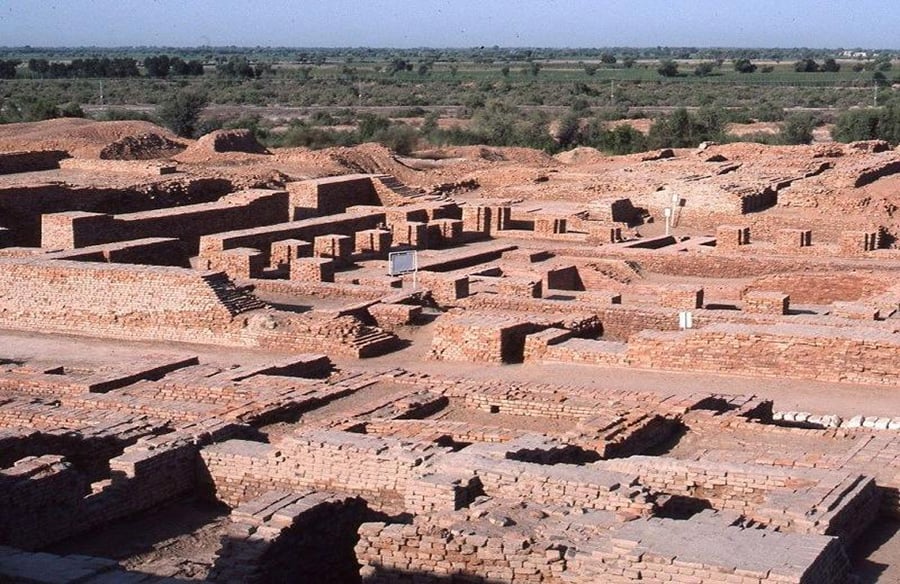
Dholavira – Archeological sites around India
Dholavira, nestled in the heart of the Kachchh district in Gujarat, stands as a testament to the rich architectural and archaeological heritage of India. This ancient city, dating back to the Harappan civilization, offers a captivating journey into the past, enticing architecture enthusiasts, archaeologists, and tourists alike.
A Glimpse into Dholavira’s Architectural Tapestry
1. Urban Planning:
Dholavira’s urban planning showcases meticulous precision, reflecting the advanced engineering prowess of its ancient inhabitants. The city is divided into three parts: the citadel, the middle town, and the lower town. Each section serves a distinct purpose, with well-defined streets and structures.
2. Architecture and Archaeology:
The architecture of Dholavira reveals an intricate understanding of city planning. The city is fortified by massive walls made of sandstone and mud bricks, offering insights into the defensive strategies employed during that era. Archaeological excavations have uncovered a sophisticated drainage system, indicating a high level of urban planning.
The Facade and Interior Design: Unraveling the Mystique
1. Facade:
Dholavira’s facade, characterized by its monumental gateways and intricate patterns, stands as a testament to the artistic flair of its builders. The architecture reflects a harmonious blend of functionality and aesthetics, with the city walls adorned with decorative elements that symbolize the cultural and religious significance of the time.
2. Interior Design:
The interior spaces of Dholavira’s structures showcase an advanced understanding of spatial organization. Residences are arranged in a grid pattern, indicating a thoughtful approach to community living. The interiors of important structures, such as the citadel, reveal rooms with specific functions, shedding light on the daily life of the Harappan people.
Unveiling the Mastermind Behind Dholavira’s Design
Dholavira’s architectural brilliance begs the question: who were the masterminds behind this ancient marvel? While the specific architects remain unknown, archaeological evidence suggests a collaborative effort of skilled craftsmen and engineers. The absence of a singular ruler’s palace indicates a communal approach to governance and decision-making.
Architectural Style: A Glimpse into the Past
The architectural style of Dholavira aligns with the broader characteristics of the Harappan civilization. The use of standardized bricks, precise measurements, and a keen focus on functionality over ostentation highlight the pragmatism that defined the architecture of this ancient city.
Attractions for the Modern-Day Tourist
1. Archaeological Site:
Dholavira’s archaeological site provides a captivating journey into the mysteries of the past. Tourists can explore the well-preserved remnants of the ancient city, gaining insights into the daily lives and rituals of its inhabitants.
2. Museum:
The onsite museum at Dholavira complements the archaeological experience, housing artifacts unearthed during excavations. Visitors can marvel at pottery, jewelry, and tools, gaining a deeper understanding of the material culture of the Harappan people.
Preserving Dholavira for Future Generations
As custodians of this architectural gem, it is imperative to prioritize conservation efforts. The delicate balance between opening the site to tourists and preserving its integrity must be maintained. Responsible tourism practices, coupled with ongoing research and excavations, contribute to the preservation of Dholavira for generations to come.
Conclusion: Diving into the Depths of Dholavira’s Architectural Splendor
Dholavira, in the Kachchh district of Gujarat, stands as a marvel that transcends time. Its architectural and archaeological significance offers a window into the advanced civilization of the Harappan era. As we unravel the mysteries of Dholavira, let us appreciate and preserve this architectural gem, ensuring that its legacy continues to inspire awe and wonder for centuries to come.