Japan Pavilion Expo, Spain – 15 Projects by Tadao Ando
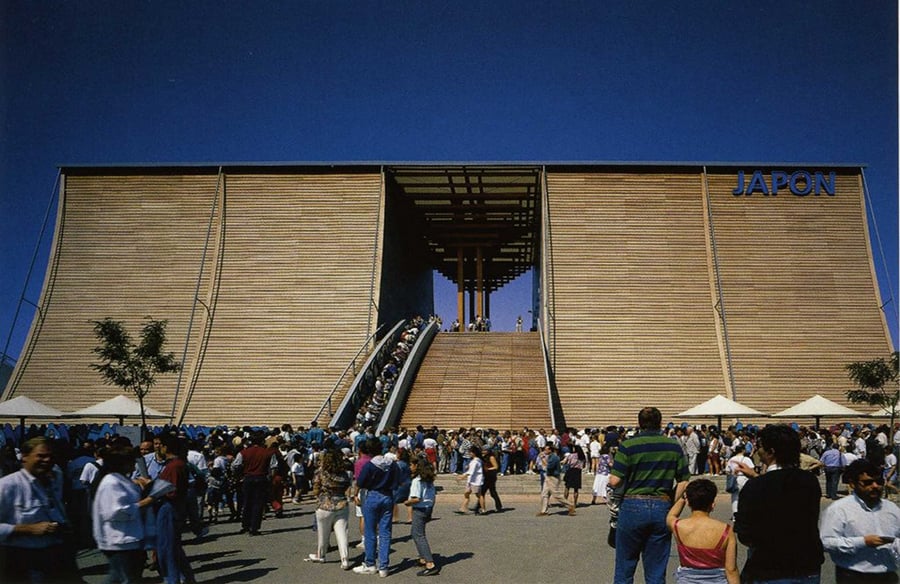
The Japan Pavilion at Expo 2008 in Zaragoza, Spain, stands as a testament to the seamless integration of Japanese architectural finesse and Spanish vibrancy. Designed by the renowned architect Tadao Ando, this pavilion transcends its functional purpose to become an architectural marvel that captivates visitors with its unique blend of tradition and innovation.
Architectural Vision: Tadao Ando’s Signature Touch
Tadao Ando, celebrated for his minimalist aesthetic and innovative use of materials, brought his distinctive touch to the Japan Pavilion. The architect’s vision is evident in the pavilion’s bold geometric shapes, clean lines, and meticulous attention to detail. Ando’s commitment to integrating architecture with nature is reflected in the pavilion’s design, creating a harmonious coexistence between the built environment and the surrounding landscape.
Built Use and Functional Design
Pavilion Typology: A Cultural Bridge
The Japan Pavilion serves as a cultural bridge, showcasing the essence of Japanese traditions and technological advancements to an international audience. Its typology is distinct, marrying the functional aspects of an exhibition space with the symbolic representation of Japan’s rich heritage. The pavilion becomes a nexus of cultural exchange, inviting visitors to explore the depth of Japanese art, technology, and environmental consciousness.
Architectural Style: Modern Elegance with a Japanese Touch
Ando’s architectural style for the Japan Pavilion is a harmonious blend of modern elegance and traditional Japanese design principles. The exterior exudes a sense of serenity with its clean, minimalist lines, while the interior showcases a juxtaposition of traditional Japanese materials and cutting-edge technology. The architectural style reflects a deliberate effort to create a space that is not only visually stunning but also culturally resonant.
Planning and Urban Design Integration
Contextual Integration: Seamlessness in the Spanish Landscape
The Japan Pavilion’s integration into the Expo 2008 site is a triumph of urban design. Ando’s meticulous planning ensures that the pavilion seamlessly blends with the surrounding environment, creating a dialogue between the structure and the landscape. The strategic placement of the pavilion within the urban fabric enhances its accessibility while contributing to the overall aesthetic coherence of the expo site.
Sustainable Urban Solutions: A Green Approach
In alignment with contemporary urban design principles, the Japan Pavilion incorporates sustainable features that underscore Japan’s commitment to environmental stewardship. Green spaces, energy-efficient systems, and eco-friendly materials collectively contribute to a sustainable urban solution. The pavilion not only stands as an architectural spectacle but also as a model for environmentally conscious design.
Interior Design: Bridging Tradition and Innovation
Spatial Configuration: A Journey Through Japanese Culture
The interior of the Japan Pavilion unfolds as a narrative, guiding visitors through curated spaces that showcase the diversity of Japanese culture. Traditional craftsmanship meets cutting-edge technology, creating an immersive experience that transcends the physical boundaries of the pavilion. Ando’s attention to spatial configuration ensures that each section tells a unique story, inviting visitors to engage with Japan’s past, present, and future.
Material Palette: Tradition in Contemporary Form
Ando’s mastery lies in his ability to elevate traditional Japanese materials to contemporary elegance. The interior design of the pavilion features a curated selection of materials that pay homage to Japanese craftsmanship. From sliding paper doors to innovative use of bamboo, each element contributes to an authentic representation of Japan’s architectural heritage within a modern context.
Facade: A Poetic Expression
Architectural Poetry: Light and Shadow Play
The facade of the Japan Pavilion is a poetic expression of Ando’s architectural philosophy. The play of light and shadow on the carefully crafted surfaces creates a dynamic visual experience, transforming the pavilion into a living entity. The facade becomes a canvas, reflecting the ever-changing natural light and creating a dialogue between the built environment and the elements.
Symbolism in Form: Harmonizing Elements
Ando’s choice of geometric forms in the facade design is not arbitrary; it is laden with symbolism. The interplay of circles, squares, and rectangles reflects the harmony sought in Japanese philosophy. Each element contributes to a cohesive whole, embodying the pavilion’s role as a cultural ambassador while maintaining its identity within the broader context of Expo 2008.
Conclusion: A Timeless Intersection of Cultures
The Japan Pavilion at Expo 2008 in Spain, designed by Tadao Ando, transcends its temporal context to become a timeless intersection of Japanese and Spanish cultures. Through meticulous architectural planning, urban design integration, and interior detailing, Ando creates a space that not only captivates the present but also resonates with the echoes of tradition. As visitors immerse themselves in the pavilion’s narrative, they partake in a journey that transcends borders and celebrates the rich tapestry of human creativity.
In exploring the Japan Pavilion, one discovers more than a physical structure; it is a testament to the power of architecture to transcend cultural boundaries and create a shared experience. Tadao Ando’s masterpiece invites us to contemplate the intersection of tradition and innovation, form and function, and leaves an indelible mark on the landscape of global architecture.