Number 11 – Geoffrey Bawa – Iconic Projects
In the realm of architectural brilliance, Number 11 by Geoffrey Bawa stands as a testament to the visionary mind and creative prowess of one of Sri Lanka’s most celebrated architects. This article delves into the intricacies of this architectural gem, exploring its built use, typology, architecture, planning, interior, and urban design.
Built Use and Building Functions
Number 11, also known as the Bawa House, is a residential masterpiece nestled in the heart of Colombo. Built in 1979, this iconic structure was designed for renowned Sri Lankan lawyer Osmund de Silva. The primary function of the building is residential, reflecting Bawa’s ability to seamlessly blend functionality with aesthetic appeal.
The architectural layout of Number 11 is characterized by its interconnected spaces, fostering a sense of openness while maintaining the privacy essential for a residence. The integration of lush greenery and water features further enhances the living experience, creating a harmonious connection between the built environment and nature.
Architecture and Planning
Architectural Style
Geoffrey Bawa, often hailed as the father of tropical modernism, imbued Number 11 with his signature architectural style. The building resonates with the principles of open planning, natural ventilation, and the use of local materials, showcasing Bawa’s commitment to sustainability and contextual design.
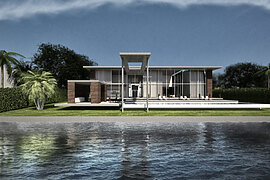
The exterior façade of Number 11 is a captivating interplay of geometric forms and traditional Sri Lankan elements. The incorporation of verandas and terraces blurs the boundaries between indoor and outdoor spaces, creating a sense of continuity with the surrounding landscape.
Typology and Design Elements
Number 11 stands as an exemplar of Bawa’s innovative approach to typology. The house is designed as a series of pavilions, each serving a distinct purpose. The seamless transition between these pavilions fosters a dynamic spatial experience, while the strategic positioning allows for optimal natural light and ventilation.
Design elements such as courtyards, water features, and shaded walkways not only contribute to the aesthetic charm of the residence but also serve functional purposes. These elements play a crucial role in mitigating the tropical climate, providing a comfortable living environment for the occupants.
Interior Design
Spatial Harmony
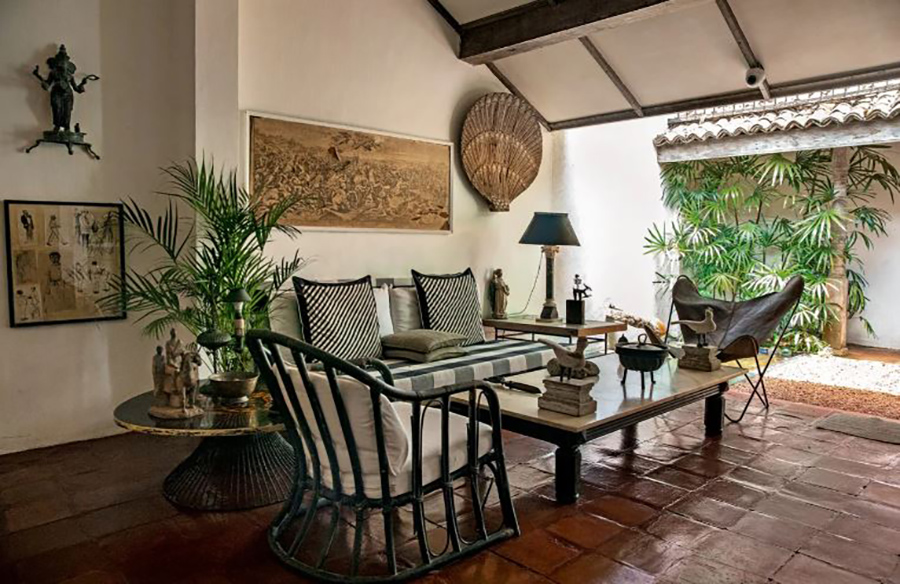
The interior of Number 11 is a testament to Geoffrey Bawa’s mastery in creating spaces that resonate with a sense of tranquility and harmony. The use of locally sourced materials, such as timber and stone, adds warmth and authenticity to the living spaces.
The integration of custom-designed furniture and carefully curated artwork enhances the overall aesthetic appeal while ensuring a cohesive design language throughout the house. Bawa’s attention to detail is evident in every corner, creating an immersive experience for the residents.
Functional Elegance
The interior layout is characterized by its functional elegance, with each room serving a specific purpose without compromising on aesthetics. The seamless flow between different areas encourages a fluid lifestyle, where the boundaries between private and communal spaces are blurred yet clearly defined.
Urban Design Integration
Contextual Sensitivity
Number 11, situated in the bustling city of Colombo, is a shining example of urban design that respects and responds to its context. Bawa’s meticulous attention to the surrounding environment is evident in the strategic placement of the building, ensuring a dialogue between the urban fabric and the natural landscape.
Landscape Integration
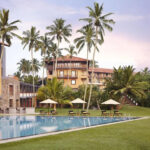
The integration of landscaping elements within the urban design of Number 11 is a key aspect of Bawa’s approach. Lush gardens, reflective ponds, and carefully curated greenery not only enhance the visual appeal but also contribute to the overall ecological balance of the site.
Conclusion
Number 11 by Geoffrey Bawa stands as a timeless masterpiece that transcends its functional purpose to become a symbol of architectural innovation and design excellence. From its unique typology and architectural style to the seamless integration of interior and urban design, every aspect of this residence reflects Bawa’s unwavering commitment to creating spaces that resonate with both aesthetic allure and practical functionality.
For those passionate about architecture, urban design, and interior design, a visit to Number 11 is not just a journey into a meticulously crafted residence; it’s an exploration of the profound impact that thoughtful design can have on our living spaces. As we celebrate the legacy of Geoffrey Bawa, Number 11 continues to inspire architects and design enthusiasts, leaving an indelible mark on the landscape of contemporary architecture.