Cater to the Parking Requirement More – Mall Design
In the realm of architecture, addressing the parking requirement has evolved from a mere necessity to a pivotal concept shaping modern urban design. Architects, especially those delving into the domains of interior design and urban planning, are increasingly recognizing the significance of incorporating innovative parking solutions into their projects. This article explores the multifaceted aspects of catering to the parking requirement as a fundamental concept in architecture, shedding light on typologies, strategies, and exemplifying its application in a shopping mall design.
The Evolving Landscape of Parking in Architecture
As urban spaces become denser and cities grow vertically, the demand for efficient parking solutions has intensified. Architects are now challenged to think beyond conventional parking structures and embrace sustainable, space-saving, and aesthetically pleasing designs. The evolution of parking architecture reflects a paradigm shift towards integrated and thoughtful urban planning.
Urban Design and Parking Integration
Architects are increasingly integrating parking spaces seamlessly into the fabric of urban design. Underground parking, multi-level structures, and automated parking systems are among the innovative solutions employed to maximize space utilization while maintaining the aesthetic integrity of the surroundings. This integration is crucial in fostering a balance between functionality and urban aesthetics.
Typology of Parking Architecture
Understanding the typology of parking architecture is imperative for architects embarking on projects that prioritize efficient parking solutions. Different typologies cater to diverse needs, from commercial spaces to residential complexes.
-
Multi-Level Parking Structures
Multi-level parking structures are a common typology that optimizes vertical space. These structures, often characterized by ramps or lifts, provide an efficient solution for accommodating a large number of vehicles in limited ground space. Architects must carefully consider the structural design, accessibility, and user experience when incorporating multi-level parking into their projects.
-
Underground Parking
Underground parking is a sophisticated solution that addresses the challenge of space scarcity in urban areas. By situating parking facilities beneath the ground level, architects can preserve surface space for green areas or other functional purposes. Proper ventilation, lighting, and safety measures are critical aspects that demand meticulous attention in underground parking design.
-
Automated Parking Systems
The advent of technology has given rise to automated parking systems, revolutionizing the traditional approach to parking. These systems utilize robotics and smart technology to optimize space and enhance efficiency. Architects must stay abreast of technological advancements to integrate automated parking seamlessly into their designs.
Strategies for Effective Parking Architecture
Ensuring the success of a parking-oriented architectural project involves employing strategic approaches that balance functionality, sustainability, and user experience.
-
Sustainable Design Practices
Incorporating sustainable design practices is imperative in the contemporary architectural landscape. Green roofs, energy-efficient lighting, and the use of eco-friendly materials contribute to the overall sustainability of parking structures. Architects should explore sustainable options to align with global environmental goals.
-
Smart Technology Integration
Integrating smart technology into parking solutions enhances efficiency and user convenience. Smart parking systems, equipped with sensors and real-time data analytics, streamline the parking process. Architects should consider these technological advancements to create future-ready parking facilities.
-
User-Centric Design
A user-centric approach is paramount in designing parking spaces that prioritize the experience of drivers and pedestrians. Thoughtful circulation patterns, well-lit spaces, and clear wayfinding elements contribute to a positive user experience. Architects must consider the needs of diverse users, including those with disabilities, to ensure inclusivity.
Case Study: Shopping Mall Design
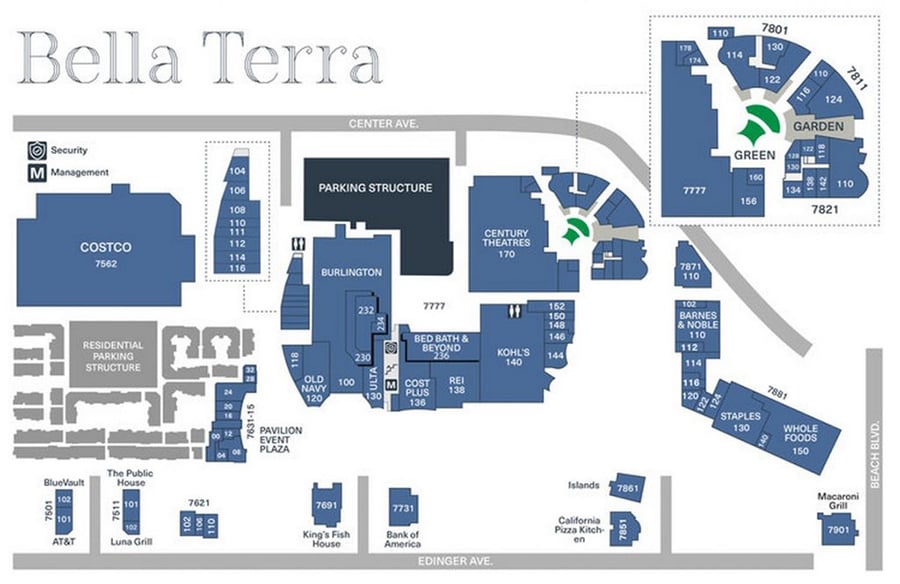
To illustrate the practical application of the concept of catering to the parking requirement, let’s delve into the design of a shopping mall that exemplifies innovative parking solutions.
Design Concept: Vertical Parking Integration
In this hypothetical shopping mall design, architects have embraced a vertical parking integration approach. The parking structure is seamlessly integrated into the overall aesthetic of the mall, featuring a visually appealing façade that complements the architectural theme. The multi-level parking facility is strategically located to optimize space while providing easy access to the mall’s main entrance.
Sustainable Features
The parking structure incorporates sustainable features such as solar panels on the roof, permeable paving, and rainwater harvesting systems. These elements not only contribute to the mall’s environmental footprint but also showcase the integration of sustainable practices in modern architecture.
Smart Parking System
To enhance user experience, the shopping mall incorporates a smart parking system. Visitors can easily locate available parking spaces through a mobile app, reducing the time spent searching for parking and minimizing traffic congestion within the mall premises.
Conclusion
In conclusion, catering to the parking requirement has evolved from a functional necessity to a concept that profoundly influences architectural design. Architects, especially those engaged in interior design, urban planning, and education, must adopt a holistic approach that encompasses sustainability, technology, and user-centric design principles. By exploring diverse typologies and strategies, architects can contribute to the creation of urban spaces that seamlessly integrate efficient parking solutions while enhancing the overall aesthetic and functionality of the built environment.