Structure- Column, Beam, and Beyond – A checklist for architectural case studies
In the realm of architecture, the skeletal framework of a building stands as a testament to both form and function. The marriage of columns, beams, and various structural elements creates a symphony of design that resonates through time and space. This article delves into the intricate world of architectural typology, specifically focusing on the core elements of structure—columns and beams. For aspiring architects and students of the built environment, understanding the nuances of these elements is crucial for embarking on meaningful architectural case studies.
The Foundation: Columns
Definition and Purpose
Columns, often referred to as the backbone of architectural design, serve a dual purpose. They provide vertical support to the structure while also bestowing a sense of grandeur and aesthetics. In historical contexts, different civilizations have embraced various column orders such as Doric, Ionic, and Corinthian, each with its own stylistic characteristics.
Types of Columns
1. Doric Columns:
- Known for their simplicity and sturdy design.
- Typically found in classical Greek and Roman architecture.
- Characterized by a fluted shaft and a capital without elaborate ornamentation.
2. Ionic Columns:
- Distinguished by their volutes or scroll-like ornaments.
- Prominent in ancient Greek architecture.
- Conveys a sense of elegance and sophistication.
3. Corinthian Columns:
- Exhibits intricate floral-inspired capitals.
- Often associated with temples and monumental structures.
- Symbolizes opulence and artistic refinement.
Modern Applications
In contemporary architecture, columns have transcended their traditional roles. Structural innovations, such as reinforced concrete and steel, have allowed for more flexibility in design. Architectural marvels like the Burj Khalifa showcase the potential of columns in supporting unprecedented heights.
Horizontal Harmony: Beams
The Role of Beams
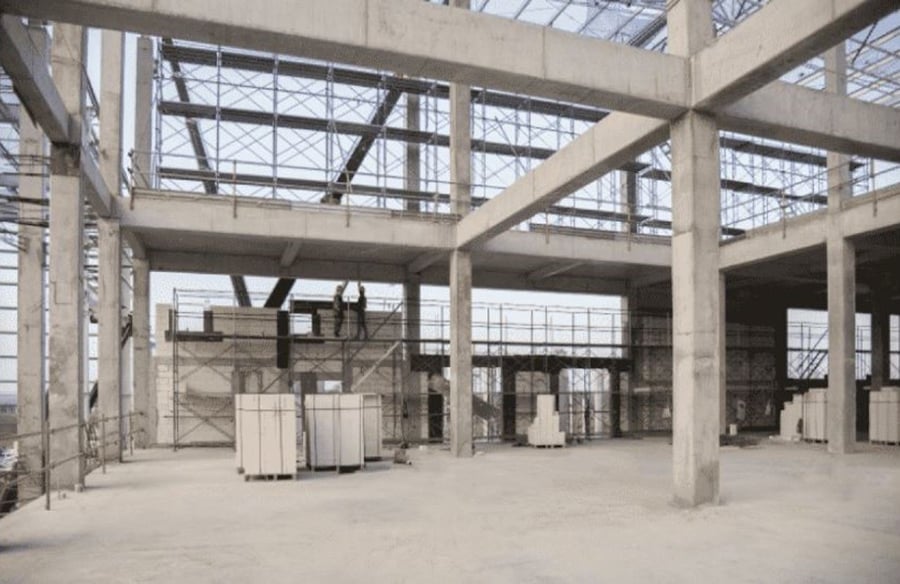
While columns provide vertical support, beams play a crucial role in distributing loads horizontally. These horizontal members, often made of steel or reinforced concrete, connect columns and form the framework for floors and roofs.
Types of Beams
1. I-Beams:
- Shaped like the letter ‘I,’ these beams are efficient in carrying heavy loads.
- Widely used in commercial and industrial constructions.
- Ideal for spanning long distances with minimal material.
2. Wooden Beams:
- Traditional material used for beams.
- Adds warmth and character to architectural designs.
- Commonly found in residential and cultural buildings.
3. Reinforced Concrete Beams:
- Combines the compressive strength of concrete with the tensile strength of steel.
- Allows for versatile design possibilities.
- Frequently used in modern construction for its durability.
Integrating Form and Function
In architectural design, the interplay between columns and beams extends beyond structural necessities. The aesthetic choices made in combining these elements contribute to the overall visual identity of a building. Architects often experiment with different column-beam configurations to achieve a balance between strength and visual appeal.
Architectural Typology: A Student’s Guide
Understanding Typology
Architectural typology refers to the study of recurring patterns and forms in the built environment. For students of architecture embarking on a case study, delving into typology provides a framework for analyzing and interpreting different architectural styles and their evolution.
Typology in Structural Design
1. Historical Context:
- Analyzing how columns and beams were employed in different historical periods.
- Understanding the cultural and functional significance of specific typologies.
2. Contemporary Trends:
- Exploring how modern architects reinterpret classical typologies.
- Examining sustainable and innovative approaches to structural design.
Case Study Approach
1. Selecting a Structure:
- Choosing a building with a distinctive use of columns and beams.
- Considering factors such as historical context, materials used, and architectural style.
2. Site Analysis:
- Assessing the site’s geographical and environmental conditions.
- Understanding how the chosen structure interacts with its surroundings.
3. Structural Analysis:
- Delving into the engineering aspects of the chosen building.
- Examining the load distribution, material choices, and structural innovations.
Calls to Action
1. Explore Architectural Archives:
-
- Encourage students to delve into architectural archives and resources to broaden their understanding of historical typologies.
2. Engage with Industry Professionals:
-
- Advocate for networking and engaging with architects and structural engineers to gain real-world insights.
3. Hands-on Exploration:
-
- Promote on-site visits and hands-on exploration to develop a tactile understanding of structural elements.
Conclusion
In the multifaceted world of architecture, columns and beams stand as timeless witnesses to the evolution of structural design. For students aspiring to dissect the intricacies of architectural typology, a comprehensive study of these foundational elements is indispensable. By combining historical knowledge, contemporary trends, and a hands-on approach to case studies, future architects can navigate the complex landscape of structural design with confidence and creativity.