New Delhi – Greenest Cities in India every Architect must know about
In the heart of India, New Delhi stands as a testament to the country’s commitment to sustainable urban development. This article delves into the intricate tapestry of New Delhi’s urban planning, showcasing its innovative approaches to sustainability, renewable energy initiatives, green spaces, biodiversity, waste management, and the overarching policy and governance that drive the city towards a greener future.
Urban Planning: A Blueprint for Sustainability
New Delhi’s urban planning is a masterclass in balancing modernity with environmental responsibility. The city’s layout seamlessly integrates residential, commercial, and recreational spaces, fostering a sense of community while minimizing carbon footprints. The meticulous planning includes mixed-use zoning, promoting walkability, and efficient public transportation systems, reducing reliance on private vehicles.
Sustainability Initiatives: Setting the Green Standard
Heralding a new era of sustainability, New Delhi has implemented groundbreaking initiatives. The city boasts an extensive network of solar panels, harnessing the abundant sunlight to power public infrastructure and reduce dependence on conventional energy sources. Additionally, innovative water conservation measures, such as rainwater harvesting systems, contribute to the city’s resilience in the face of water scarcity challenges.
Renewable Energy: A Bright Future
New Delhi’s commitment to renewable energy is evident in its ambitious projects. Solar parks and wind farms dot the landscape, symbolizing the city’s dedication to clean energy. These initiatives not only reduce the city’s carbon footprint but also serve as beacons of inspiration for other urban centers worldwide.
Green Spaces and Biodiversity: Oasis in the Metropolis
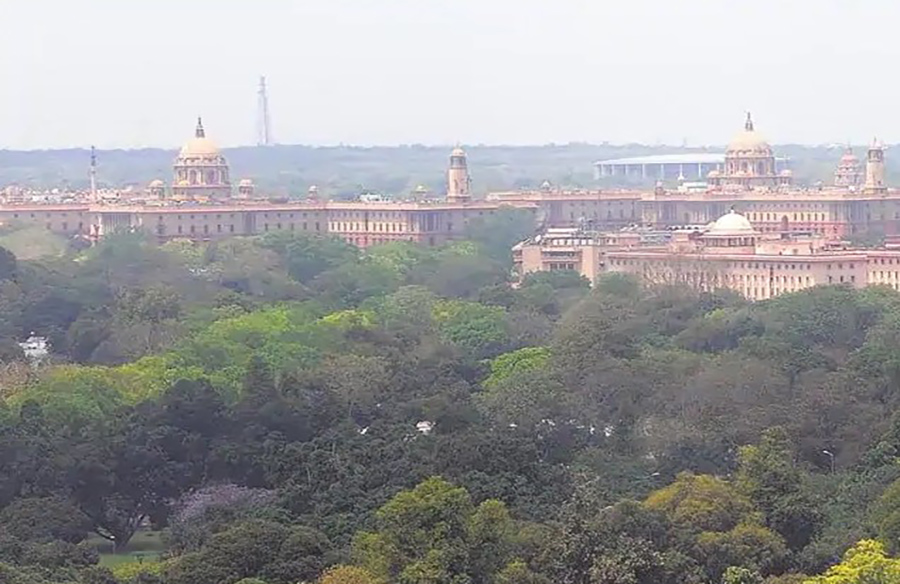
Amidst the bustling metropolis, New Delhi prioritizes green spaces to ensure residents have access to nature. The city’s parks and botanical gardens not only provide recreational areas but also serve as crucial habitats for diverse flora and fauna. Preservation of biodiversity is a cornerstone of New Delhi’s urban design, fostering a harmonious coexistence between nature and urban life.
Waste Management Strategies: From Waste to Resource
In the pursuit of a greener city, waste management takes center stage. New Delhi has implemented advanced waste-to-energy technologies, converting organic waste into valuable resources. Furthermore, extensive recycling programs and waste segregation at source empower citizens to actively participate in the city’s waste reduction efforts.
Policy and Governance for Green Urbanism: A Strategic Framework
New Delhi’s journey towards a green city is guided by comprehensive policies and robust governance. Stringent building codes prioritize energy efficiency, while green building certifications incentivize sustainable construction practices. The city’s leadership actively engages with the community, fostering a sense of collective responsibility for environmental stewardship.
Challenges and Solutions: Navigating the Path to Sustainability
Despite New Delhi’s remarkable achievements, challenges persist. Rapid urbanization, population growth, and balancing economic development with environmental conservation pose ongoing challenges. However, the city remains proactive in addressing these issues through adaptive urban planning, community involvement, and continuous innovation in sustainable practices.
Conclusion: New Delhi’s Ongoing Green Revolution
New Delhi’s transformation into a green city serves as a beacon of hope and inspiration for urban centers globally. With a robust framework of urban planning, sustainability initiatives, renewable energy projects, green spaces, and effective waste management, the city stands as a testament to India’s commitment to a sustainable future. As other cities look towards New Delhi for guidance, it exemplifies that a harmonious coexistence between urban life and the environment is not only achievable but imperative for the well-being of present and future generations. Embracing the principles of green urbanism, New Delhi is paving the way towards a more sustainable and ecologically conscious future.