M.Arch. in Conservation and Restoration – Best Architecture Masters Degree Programs after B.Arch
In the realm of architecture, the pursuit of knowledge often extends beyond the creation of new structures; it delves into the intricate world of conservation and restoration. The Master of Architecture (M.Arch.) in Conservation and Restoration is a specialized program that not only cultivates a deep understanding of architectural heritage but also equips individuals with the skills to preserve and revitalize these invaluable treasures. In this comprehensive guide, we explore the course content, universities offering this program, the myriad benefits it brings, and the promising career paths that await graduates.
Exploring the M.Arch. in Conservation and Restoration Curriculum
The curriculum of an M.Arch. in Conservation and Restoration is a carefully crafted blend of theory and hands-on experience. Students embark on a journey that covers the historical, technical, and cultural aspects of architectural preservation. The coursework typically includes:
1. Historical Foundations of Conservation
- Delving into the history of architecture to understand the evolution of styles and techniques.
- Analyzing case studies of successful and unsuccessful conservation efforts.
2. Materials and Techniques in Restoration
- Exploring the science behind traditional and modern building materials.
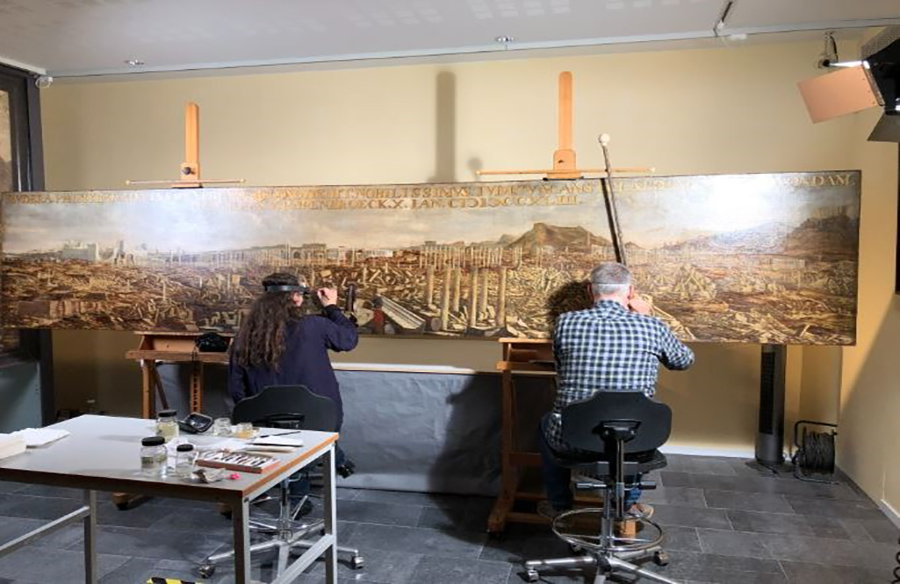
- Hands-on experience with restoration techniques, from masonry to stained glass.
3. Conservation Planning and Ethics
- Understanding the ethical considerations involved in preserving cultural heritage.
- Developing skills in creating comprehensive conservation plans for diverse structures.
4. Site Documentation and Surveying
- Learning advanced surveying techniques for accurate documentation of architectural elements.
- Utilizing technology such as 3D scanning for precise digital replication.
5. Legal and Policy Aspects of Conservation
- Grasping the legal frameworks governing heritage conservation.
- Studying international and local policies shaping the field.
Distinguished Universities Offering the Program
Choosing the right institution is crucial for a fulfilling academic journey. Several universities stand out for their commitment to excellence in architectural education. Among them are:
1. University of Pennsylvania – School of Design
- Renowned for its interdisciplinary approach to preservation education.
- Offers access to cutting-edge research centers and historical archives.
2. University College London – Bartlett School of Architecture
- Emphasizes a global perspective on conservation and restoration.
- Provides opportunities for practical experience through partnerships with heritage organizations.
3. Politecnico di Milano – School of Architecture and Society
- Offers a program that combines traditional craftsmanship with innovative conservation techniques.
- Located in a city rich with historical significance, providing a living laboratory for students.
Benefits of Pursuing an M.Arch. in Conservation and Restoration
1. Specialized Expertise
Graduates emerge with a specialized skill set, enabling them to navigate the unique challenges of preserving architectural heritage.
2. Global Opportunities
The international focus of many programs opens doors to opportunities worldwide, allowing graduates to contribute to conservation efforts on a global scale.
3. Networking and Collaboration
Students often engage with professionals, researchers, and fellow enthusiasts, fostering a network that lasts throughout their careers.
4. Preserving Cultural Identity
Beyond the physical structures, the course instills a sense of responsibility for preserving cultural identity and collective memory.
Career Paths After Completing M.Arch. in Conservation and Restoration
Armed with a profound understanding of conservation principles, graduates of this program find themselves well-prepared for a range of fulfilling career paths:
1. Conservator/Restorer
- Working on-site to conserve and restore historical structures.
- Collaborating with architects and historians to ensure authenticity.
2. Heritage Consultant
- Advising on preservation strategies for public and private entities.
- Contributing to urban planning projects with a focus on heritage preservation.
3. Museum Curator
- Curating architectural exhibitions and managing historical collections.
- Bridging the gap between academia and public awareness.
4. Educator and Researcher
- Teaching future generations of conservationists.
- Conducting groundbreaking research in collaboration with academic institutions.
The Path Forward: Taking Action
Embarking on the journey of an M.Arch. in Conservation and Restoration requires careful consideration and planning. Prospective students can take the following steps to set themselves on the right path:
1. Research Potential Universities
Explore the offerings of universities, considering factors such as faculty expertise, facilities, and alumni success stories.
2. Attend Open Houses and Webinars
Gain insights into the program by attending virtual or in-person events hosted by universities.
3. Connect with Alumni
Reach out to graduates of the program to learn about their experiences and career trajectories.
4. Prepare a Strong Application
Craft a compelling application that highlights relevant experiences, motivations, and future aspirations in the field of conservation and restoration.
Conclusion: Preserving the Past, Shaping the Future
The pursuit of an M.Arch. in Conservation and Restoration is a noble endeavor that goes beyond the traditional boundaries of architecture. It is a commitment to preserving the rich tapestry of our built heritage, ensuring that future generations can learn from and be inspired by the architectural marvels of the past. Aspiring conservationists, armed with knowledge and passion, can embark on a transformative journey that not only shapes their careers but contributes to the collective effort of safeguarding our cultural legacy.