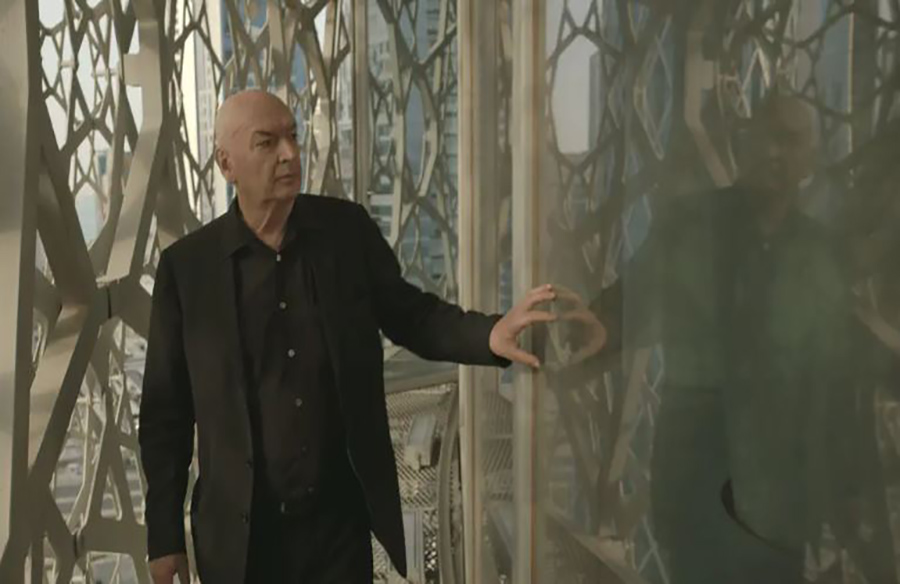
Jean Nouvel – Greatest Architects / Best Architects In The World
Jean Nouvel, a luminary in the realm of architecture, stands as a testament to the transformative power of innovative design. Renowned for his avant-garde approach and visionary creations, Nouvel has left an indelible mark on the architectural landscape. This article delves into the life, architectural style, and notable works of this prodigious architect, unraveling the brilliance that defines his legacy.
Early Life and Formative Years
Jean Nouvel was born on August 12, 1945, in Fumel, France. From an early age, his keen interest in the arts and architecture hinted at a future destined for creativity. Nouvel pursued his architectural education at the École des Beaux-Arts in Paris, where he honed his skills and developed a unique perspective that would later distinguish him in the field.
Architectural Style: A Fusion of Innovation and Contextualism
Nouvel’s architectural style is characterized by a harmonious blend of innovation and contextualism. He is known for embracing the cultural and historical context of each project, infusing it with contemporary design elements. This approach creates buildings that not only stand out as landmarks but also seamlessly integrate with their surroundings.
Innovative Use of Materials and Technology
Nouvel’s commitment to pushing the boundaries of design is evident in his innovative use of materials and technology. From the striking façade of the Louvre Abu Dhabi, where the iconic dome is composed of interwoven steel and aluminum, to the futuristic Torre Agbar in Barcelona, Nouvel consistently employs cutting-edge materials to bring his visions to life.
Key Works: A Tapestry of Architectural Brilliance
Jean Nouvel’s portfolio is a rich tapestry of architectural brilliance, with each project telling a unique story. Here are 15 exemplary works that showcase the diversity and depth of his creative genius.
1. Louvre Abu Dhabi (2017)
Nouvel’s masterpiece, the Louvre Abu Dhabi, is a testament to his ability to seamlessly merge tradition and modernity. The museum’s iconic dome, inspired by traditional Arabic architecture, creates a play of light and shadow that is nothing short of mesmerizing.
2. Institut du Monde Arabe (1987)
A groundbreaking design, the Institut du Monde Arabe in Paris features a façade adorned with intricate apertures that automatically adjust to control sunlight. This innovative use of technology reflects Nouvel’s commitment to environmental sustainability.
3. Torre Agbar (2005)
Rising like a crystalline stalagmite in Barcelona’s skyline, the Torre Agbar is a symbol of Nouvel’s penchant for creating iconic landmarks. The tower’s dynamic lighting system adds a vibrant and dynamic element to the urban fabric.
4. Philharmonie de Paris (2015)
Nouvel’s design for the Philharmonie de Paris embodies a sense of fluidity and movement. The concert hall’s undulating forms and bold use of materials create a sensory experience that complements the power of music.
5. One Central Park (2014)
Situated in Sydney, Australia, One Central Park is a lush oasis in the heart of the city. Nouvel’s innovative approach includes a vertical garden that not only enhances the aesthetic appeal but also promotes environmental sustainability.
6. The Cartier Foundation for Contemporary Art (1994)
Nouvel’s design for the Cartier Foundation in Paris showcases his ability to create spaces that engage with art. The building’s transparent façade blurs the lines between interior and exterior, providing a unique exhibition experience.
7. 53W53 (2019)
Located in the heart of Manhattan, 53W53, also known as the MoMA Tower, is a striking addition to New York’s skyline. Nouvel’s design, featuring a series of staggered volumes, reflects a meticulous consideration of the urban context.
8. Doha Tower (2012)
The Doha Tower in Qatar stands tall as a symbol of Nouvel’s ability to fuse cultural influences with modern design. Its cylindrical form, inspired by Islamic architecture, is a striking presence in the cityscape.
9. Guthrie Theater (2006)
Situated in Minneapolis, the Guthrie Theater is a prime example of Nouvel’s ability to revitalize urban spaces. The theater’s cantilevered form and use of warm-toned materials contribute to its inviting and dynamic atmosphere.
10. The National Museum of Qatar (2019)
Nouvel’s design for the National Museum of Qatar pays homage to the desert rose, a crystalline formation found in the Qatari desert. The museum’s organic forms and innovative use of materials create a captivating architectural narrative.
11. The Copenhagen Concert Hall (2009)
A triumph of acoustics and design, the Copenhagen Concert Hall is a testament to Nouvel’s dedication to creating spaces that enhance the human experience. The hall’s dynamic form and use of reflective materials contribute to its visual and auditory impact.
12. The Guthrie Green (2012)
In Tulsa, Oklahoma, Nouvel’s Guthrie Green is a vibrant public space that integrates sustainable design principles. The park’s thoughtful layout, complete with interactive features and green spaces, fosters community engagement.
13. 100 11th Avenue (2010)
Situated in New York’s Chelsea neighborhood, 100 11th Avenue is a residential tower that exemplifies Nouvel’s commitment to individualized design. The building’s distinctive curtain wall, composed of irregularly shaped glass panels, creates a play of reflections and transparency.
14. The Tower Verre (Unrealized)
While not realized, the Tower Verre project in New York City exemplifies Nouvel’s daring vision. The proposed skyscraper, with its diagrid structure and asymmetrical silhouette, reflects Nouvel’s willingness to challenge conventional norms.
15. The Sharaan Resort (2023)
Set against the stunning backdrop of AlUla, Saudi Arabia, the Sharaan Resort is a recent addition to Nouvel’s portfolio. The resort’s design, inspired by the region’s geological formations, harmonizes with the natural landscape, offering a luxurious and immersive experience.
Legacy and Impact
Jean Nouvel’s impact on the world of architecture extends beyond his individual projects. His ability to innovate, adapt, and seamlessly integrate with diverse contexts has influenced a generation of architects. Nouvel’s commitment to sustainable design and his exploration of the relationship between form and function continue to shape the discourse in contemporary architecture.
Conclusion: A Call to Appreciate Architectural Ingenuity
In conclusion, Jean Nouvel’s journey through the realm of architecture is a testament to the power of creative vision. His ability to fuse innovation with context, coupled with a deep understanding of materials and technology, has redefined modern design. As we admire the legacy of Jean Nouvel, let us not only appreciate the physical structures he has created but also embrace the spirit of ingenuity and exploration that defines his architectural philosophy.
Whether standing beneath the shimmering dome of the Louvre Abu Dhabi or strolling through the lush greenery of One Central Park, one cannot help but marvel at the transformative power of Jean Nouvel’s creations. As we continue to navigate the evolving landscape of architecture, let Nouvel’s legacy serve as an inspiration to push boundaries, challenge norms, and create spaces that resonate with the human experience.