Ludwig Mies van der Rohe – Greatest Architects / Best Architects In The World
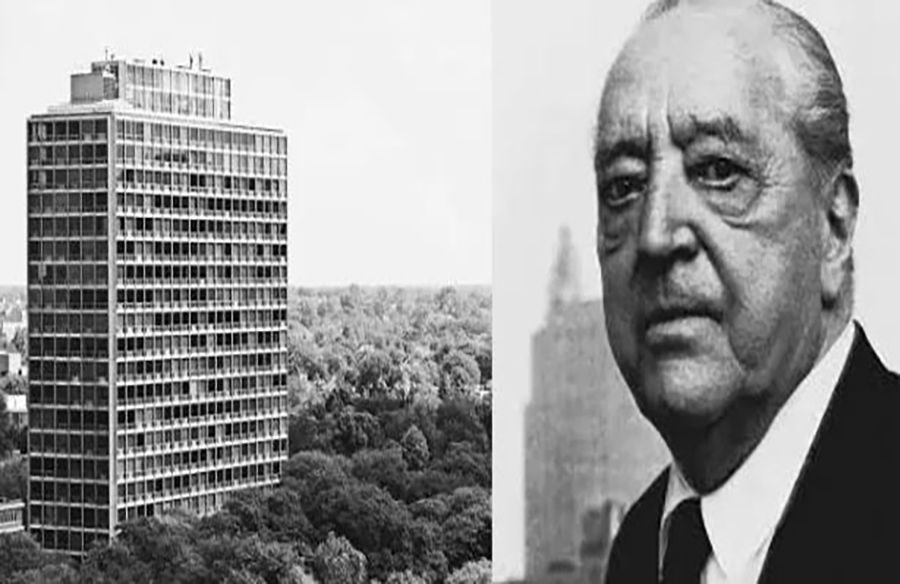
Ludwig Mies van der Rohe, a prominent figure in the world of architecture, left an indelible mark on the 20th century with his pioneering work in modernist design. His innovative approach, characterized by the famous phrase “less is more,” has influenced generations of architects and shaped the contemporary urban landscape. This article delves into the life, architectural philosophy, and key works of Mies van der Rohe, shedding light on his lasting legacy.
Early Life and Education
Born on March 27, 1886, in Aachen, Germany, Ludwig Mies van der Rohe grew up in a milieu that foreshadowed his future career. After completing his education at the local trade school, he worked with his father, a master mason, which laid the foundation for his understanding of construction techniques. Mies later moved to Berlin, where he joined the office of renowned architect Peter Behrens.
Architectural Philosophy
Modernism and the Bauhaus Movement
Mies van der Rohe’s architectural philosophy was deeply rooted in modernism, a movement that sought to break away from historical architectural styles. His association with the Bauhaus, a German art school, played a pivotal role in shaping his design principles. The Bauhaus ethos emphasized the union of art, craft, and technology, and Mies embraced these ideals throughout his career.
“Less is More” and Structural Honesty
Mies’s famous aphorism, “less is more,” encapsulates his commitment to simplicity and functionality. He believed in the expressive power of essential forms, emphasizing the importance of eliminating unnecessary ornamentation. Structural honesty was another hallmark of his work, with materials and construction methods showcased rather than concealed.
Notable Works
Barcelona Pavilion (1929)
One of Mies van der Rohe’s seminal works, the Barcelona Pavilion, stands as a testament to his mastery of spatial arrangement and use of luxurious materials. The pavilion, designed for the 1929 International Exposition in Barcelona, Spain, features a seamless integration of glass, steel, and marble, creating a harmonious and open space.
Farnsworth House (1951)
Situated in Plano, Illinois, the Farnsworth House exemplifies Mies’s pursuit of minimalism and integration with nature. Elevated on stilts, the house seems to float above the ground, blurring the boundaries between the interior and the surrounding landscape. Its transparent walls invite the outside in, showcasing Mies’s dedication to openness and simplicity.
Seagram Building (1958)
Located in the heart of Manhattan, the Seagram Building is a quintessential example of Miesian skyscraper design. Clad in bronze and glass, the building’s sleek exterior and grid-like facade reflect Mies’s commitment to rationalism and order. It remains an iconic fixture in the New York City skyline.
Illinois Institute of Technology (1940-1956)
Mies van der Rohe served as the director of the Architecture Department at the Illinois Institute of Technology (IIT), where he implemented his modernist vision. The campus, featuring landmarks like S.R. Crown Hall, showcases Mies’s emphasis on structural clarity and functional spaces for learning.
Neue Nationalgalerie (1968)
Situated in Berlin, the Neue Nationalgalerie is a prime example of Mies van der Rohe’s late-career projects. The building’s steel structure and glass facade create a transparent envelope that blurs the distinction between interior and exterior. The design highlights Mies’s commitment to simplicity and clarity.
Villa Tugendhat (1930)
Commissioned by Fritz Tugendhat in Brno, Czechoslovakia, Villa Tugendhat is a masterpiece of modern residential architecture. The house features an open floor plan, with sliding glass panels that dissolve the boundary between indoor and outdoor spaces. Mies’s meticulous attention to detail is evident in every aspect of the villa.
S.R. Crown Hall (1950-1956)
S.R. Crown Hall, part of the IIT campus, is a hallmark of Mies’s exploration of the column-free interior. The building’s expansive space is supported by exterior steel columns, allowing for flexible use of the interior. The simplicity of design and use of innovative construction methods make it an enduring symbol of modernist architecture.
860-880 Lake Shore Drive Apartments (1951)
This residential project in Chicago is a prime example of Mies’s high-rise apartment buildings. The use of steel and glass in a repetitive pattern creates a visually striking facade, while the open floor plans inside demonstrate Mies’s commitment to functional and adaptable living spaces.
IBM Plaza (1973)
Situated in Chicago, the IBM Plaza is one of Mies van der Rohe’s later works. The building’s dark bronze-tinted glass and minimalist design contribute to its timeless aesthetic. The IBM Plaza stands as a testament to Mies’s ability to adapt his modernist principles to contemporary contexts.
Lafayette Park (1955-1963)
A comprehensive residential development in Detroit, Lafayette Park represents Mies van der Rohe’s foray into urban planning. The project includes a mix of high-rise apartments and townhouses, showcasing Mies’s vision for creating a cohesive and modern urban environment.
Washington University’s Mildred Lane Kemper Art Museum (2006)
Although Mies van der Rohe passed away in 1969, his influence persisted posthumously. The Mildred Lane Kemper Art Museum, an addition to Washington University’s campus, was designed by Mies’s grandson, Dirk Lohan. The building pays homage to Mies’s modernist principles, maintaining a dialogue with the surrounding architectural context.
Legacy and Influence
Ludwig Mies van der Rohe’s legacy extends far beyond the buildings he designed during his prolific career. His impact on architectural education, as seen in his tenure at the Bauhaus and IIT, ensured that his principles would be passed down to future generations. Architects worldwide continue to draw inspiration from his minimalist aesthetic and dedication to functional design.
Conclusion
In conclusion, Ludwig Mies van der Rohe’s contributions to modern architecture have left an indelible mark on the built environment. His commitment to simplicity, structural honesty, and the integration of technology and design continues to resonate with architects and enthusiasts alike. By exploring Mies’s life, philosophy, and iconic works, one gains a deeper appreciation for the enduring legacy of this master architect.
Call to Action
For those eager to explore Miesian architecture firsthand, consider visiting some of his iconic works, such as the Barcelona Pavilion, Farnsworth House, or the Seagram Building. Additionally, delve into architectural education programs that embrace Mies van der Rohe’s principles to deepen your understanding of modernist design. Embracing the “less is more” ethos can inspire a fresh perspective on the intersection of form and function in the built environment.